The Complete Guide to Camping the Big Island of Hawaii by Camper Van
Plan your Big Island camping trip with a 4WD rooftop camper van. Campgrounds, routes, and everything you need to explore Hawaii’s most dramatic island.
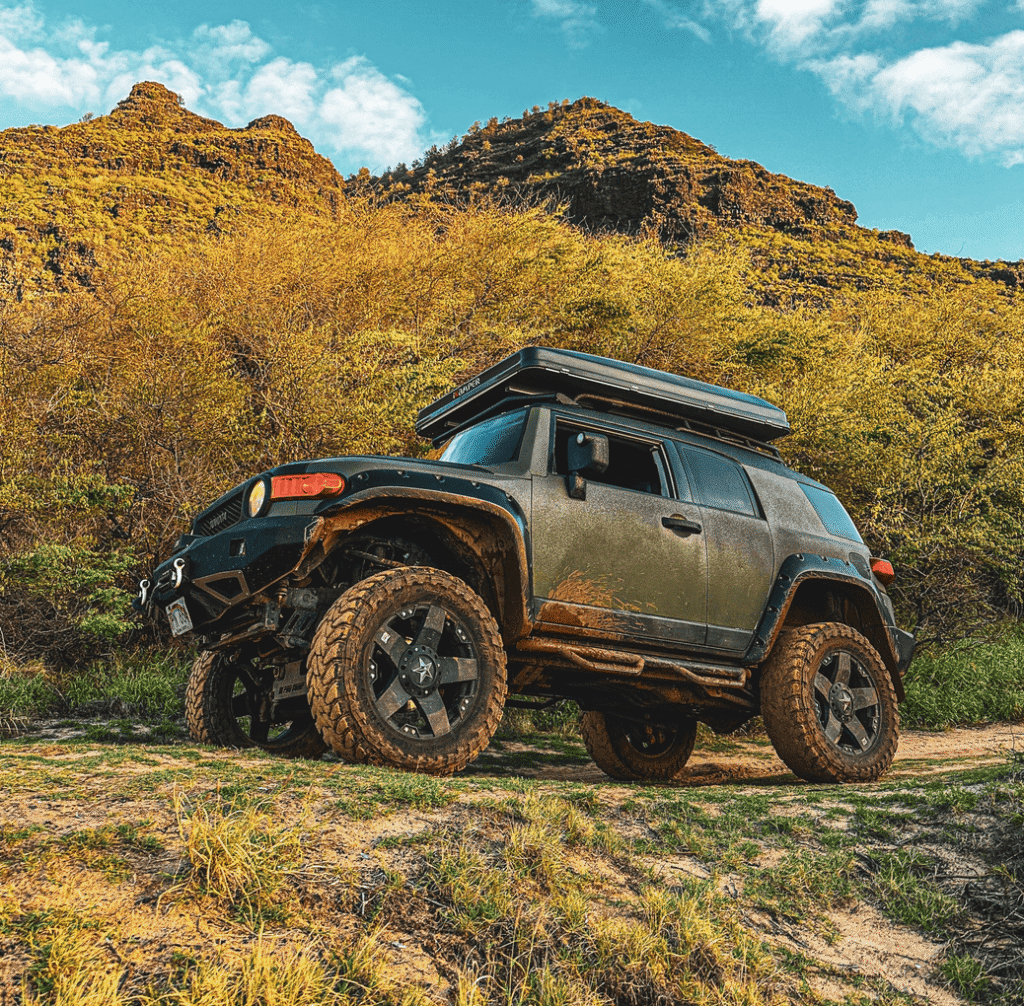
When you search for rv rental in Hawaii, you might expect the same motorhomes and travel trailers you’d find cruising through Yellowstone or the California coast. But Hawaii plays by different rules. The islands reward travelers who embrace a more nimble approach—compact campervans and rugged overland rigs that can navigate narrow cliffside roads, squeeze into beachfront parking spots, and wake you up to the sound of waves crashing just outside your door.
Hawaiian Overlanders has built their entire operation around this reality, offering adventure-ready campervans and 4×4 rooftop tent vehicles specifically designed for exploring Kauai and the Big Island. If you’re ready to ditch the resort routine and explore Hawaii at your own pace, this guide will show you exactly how to make it happen.
Picture a 35-foot Class A motorhome trying to navigate the single-lane bridges on Kauai’s North Shore. Now imagine backing that same rig into a beachside parking spot at a county park near Hilo. It doesn’t work—and that’s exactly why full-size motorhomes and towable RVs are uncommon across the Hawaiian Islands.
The infrastructure simply isn’t built for them. Roads wind through lush rainforests with hairpin turns. Beach park campgrounds have tight spaces designed for tents and compact vehicles, not extended-cab trucks pulling fifth wheels. Most importantly, traditional RV hookups (the electrical and water connections mainland travelers rely on) are practically nonexistent at Hawaii campgrounds.
This is where adventure-ready campervans and rooftop campers enter the picture. When people search for rv rental Hawaii, what they actually need is a vehicle that delivers the RV experience—sleeping, cooking, and living on the road—in a package that works with island conditions rather than against them. Hawaiian Overlanders builds their fleet around this exact philosophy.
These vehicles are compact enough to handle steep Big Island roads climbing toward Mauna Kea’s slopes, yet fully equipped with everything you need for comfortable off-grid stays. They fit into the small beach park lots on Kauai’s coast where larger rigs couldn’t dream of squeezing in. They let you explore hidden gems that tour buses and hotel shuttles will never reach.
In short: if you want the freedom of RV-style travel in Hawaii, a campervan or overland rig is your answer.
Hawaiian Overlanders is a locally based campervan and rooftop camper rental company focused exclusively on two of Hawaii’s most spectacular islands: Kauai and the Big Island. Rather than offering generic rental vehicles, they’ve curated a fleet specifically for the terrain, roads, and camping conditions you’ll encounter in these unique environments.
The main vehicle types include:
| Vehicle Type | Best For | Sleeping Capacity |
| Adventure Campervans | Couples, solo travelers, paved road exploration | 2 people |
| 4×4 Trucks/SUVs with Rooftop Tents | Off-road access, rugged terrain, stargazing | 2 people |
| Overland-Style Builds | Extended trips, diverse terrain | 2-4 people |
Every rig comes equipped with essential camping gear so you can travel light. You’ll find comfortable bed setups, camp kitchen basics including stoves and cookware, coolers or refrigerators for keeping food fresh, camp chairs and tables, and lighting systems that don’t depend on hookups. Land in Honolulu or Lihue with just your personal items, and you’re ready to embark on your adventure.
What truly sets Hawaiian Overlanders apart is their approach to trip planning. Each rental includes detailed digital or printed island guides featuring recommended campsites, scenic coastal drives, waterfall hikes, beach stops, and local food spots. These aren’t generic tourist brochures—they’re curated by people who actually live and explore these islands, helping you dive deep into authentic experiences while respecting local regulations and land access rules.
Hawaiian Overlanders currently operates on Kauai and the Big Island—and there’s good reason for that focus. These two islands offer the most diverse road trip terrain in the entire Hawaiian chain, from tropical coastlines to volcanic moonscapes to cool mountain forests.
Kauai delivers the Hawaii of your dreams in concentrated form. The North Shore around the Hanalei area offers some of the most stunning coastal scenery in the world—think emerald peaks plunging into azure bays. Beach parks along the east and north shores welcome campervan visitors, letting you sleep with the sound of surf as your alarm clock.
Head inland and upward to Waimea Canyon, often called the “Grand Canyon of the Pacific.” The roads climbing toward Kokeʻe State Park wind through cool forests where you’ll want a light jacket even in summer. Hiking trails here lead to misty overlooks with views stretching to the famous Napali Coast—waterfalls cascading down cliffs that seem impossibly green.
The Big Island is massive—bigger than all other Hawaiian islands combined—and rewards visitors who want to spend serious time exploring. The Kohala and Hamakua coasts offer dramatic ocean drives past hidden beaches and small plantation towns. The Hilo side delivers tons of waterfalls, botanical gardens, and that lush tropical atmosphere.
Then there’s the volcano region. Hawaii Volcanoes National Park and its surroundings offer utterly unique camping experiences—imagine watching sunset paint the sky from a campsite near an active volcanic crater. The Puna coast has black sand beaches, while the remote South Point area leads to the famous green sand beach.
Drive up toward Mauna Kea for world-class stargazing (respecting access rules and summit restrictions, of course). This is an island where you can snorkel with marine life in the morning and stand above the clouds watching sunset in the evening—all in the same day.
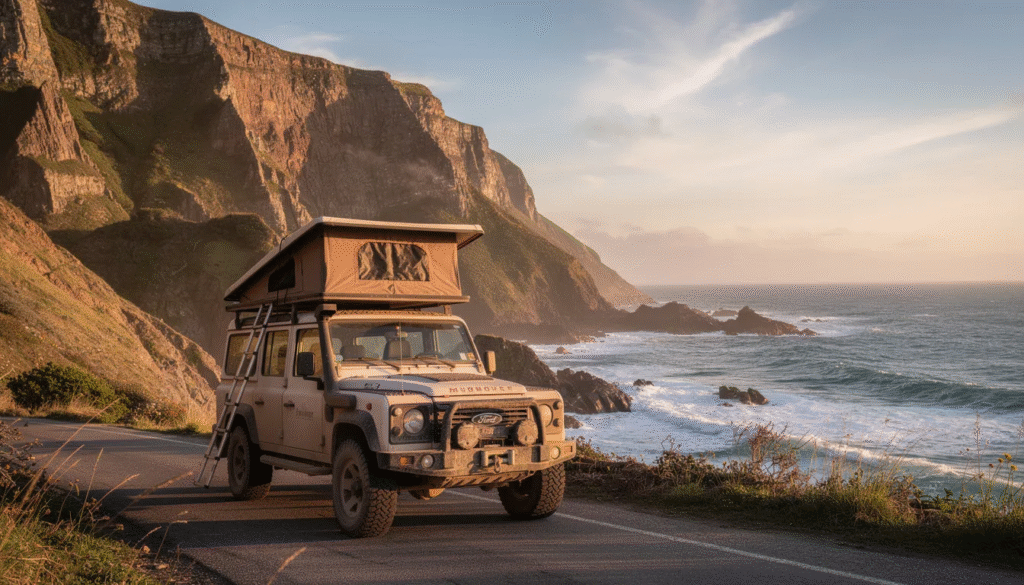
The booking process is straightforward, designed to get you from dreaming to driving with minimal friction.
Step 1: Choose Your Island
Decide between Kauai and the Big Island based on your interests. Want dramatic coastal cliffs, intimate beaches, and concentrated beauty? Head to Kauai. Craving volcano adventures, diverse terrain, and larger driving loops? The Big Island is calling.
Step 2: Browse the Fleet
Visit hawaiianoverlanders.com to see available rigs. Each listing includes detailed photos, gear lists, sleeping capacity, and vehicle specifications. Take your time here—you’ll be spending every night in this vehicle.
Step 3: Select Your Dates
Check the calendar for your preferred vehicle and dates. Peak seasons fill up fast, so plan ahead if you’re visiting during:
Step 4: Confirm Your Booking
Submit your reservation request or complete online booking. You’ll need a valid driver’s license, and drivers should meet age requirements (typically 25+ for most rentals, similar to standard vehicle rental policies).
Step 5: Pickup and Orientation
Hawaiian Overlanders coordinates pickup near airports on each island. Expect a thorough walkthrough covering vehicle operation, camping gear, safety information, and local tips. This orientation ensures you feel comfortable before you head out—even if you’ve never camped from a vehicle before.
Pro tip: Book several months ahead for busy seasons. The best rigs and prime dates go quickly, and you don’t want to regret missing your ideal vehicle.
If you’ve done RV trips on the mainland, Hawaii will require a mental reset. There are no sprawling KOA campgrounds with 50-amp hookups, WiFi lounges, and swimming pools. Hawaii camping is simpler, more connected to nature, and honestly—more rewarding.
Hawaiian Overlanders’ campervans and overland rigs are designed for this reality. They’re self-contained for short off-grid stays, equipped with:
Most Hawaii campgrounds—whether state parks, county beach parks, or private sites—don’t have full hookups. This makes compact, efficient campervans a dramatically smarter choice than large motorhomes that would sit thirsty for connections that don’t exist.
Think of it as “boondocking” or dry camping, but in paradise. You pack in what you need, you pack out your trash, you observe quiet hours, and you leave sites better than you found them. It’s camping in its purest form, with the comfort of a real bed and cooking setup each night.
This style of travel puts you closer to the land, the ocean, and the spirit of aloha that makes Hawaii special. You’ll wake up to roosters crowing at beach parks, watch local families fish from nearby shores, and experience the islands the way residents do—not separated behind resort walls.
Campsite availability and rules change throughout the year, so always double-check current regulations before arrival. That said, both Kauai and the Big Island offer fantastic options for campervan visitors.
Kauai Camping Highlights
The east and north shores feature oceanfront beach parks where you can fall asleep to crashing waves. These county-managed sites require permits but offer unforgettable locations steps from the water. The Kokeʻe and Waimea Canyon region provides a completely different experience—cool mountain air, forest surroundings, and easy access to hiking trails. These upland campgrounds offer relief from coastal humidity and proximity to some of the island’s best day hikes.
Big Island Camping Highlights
The Big Island’s size means more diversity in camping options. Near Hawaii Volcanoes National Park, you’ll find campgrounds offering access to crater rim trails and volcanic landscapes unlike anywhere else on Earth. The Puna and Hamakua coasts feature quieter, more remote sites where you might have the beach to yourself. The Kona and Kohala sides offer beach parks on the drier, sunnier west coast—perfect for snorkeling and stargazing.
Hawaiian Overlanders’ trip-planning materials include up-to-date campsite suggestions, reservation tips, and local etiquette guidance. They’ll help you avoid showing up to closed or restricted areas and connect you with the best sites for your interests—whether that’s sunrise surfing, sunset whale watching, or midnight stargazing.
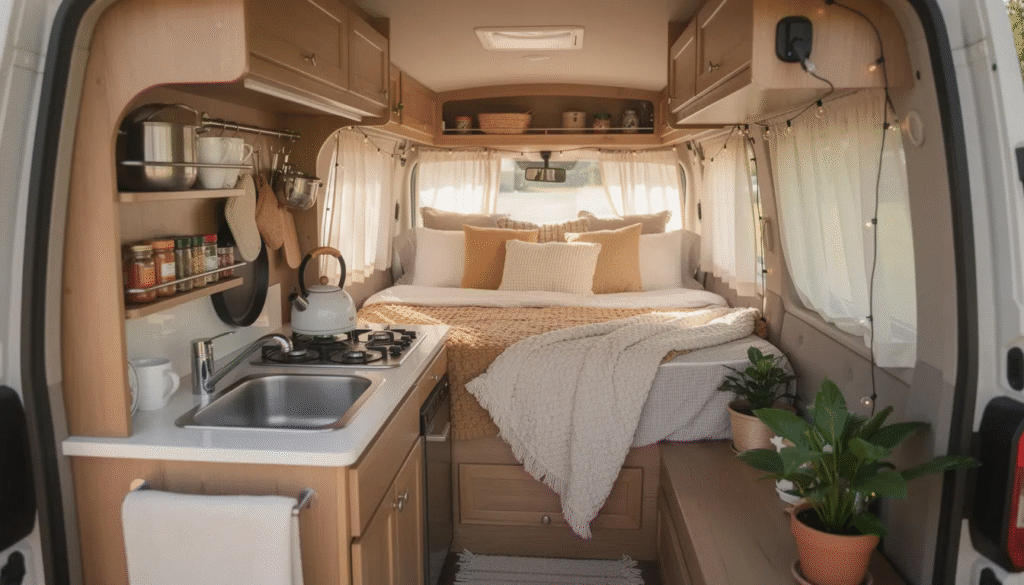
Every Hawaiian Overlanders rig is set up so you can land in Hawaii with just clothing and personal items. The vehicles come fully equipped for comfortable island living.
Standard Inclusions:
| Category | What’s Included |
| Sleeping | Comfortable bed setup with quality linens, pillows, blankets |
| Kitchen | Camp stove, cookware, pots, pans, dishes, utensils, cutting board |
| Food Storage | Cooler or refrigerator, storage containers |
| Camp Comfort | Table, camp chairs, lighting |
| Basics | Cleaning supplies, first aid kit |
Many vehicles also include extras specifically useful for Hawaii exploration: shade awnings for beach hangouts, USB charging ports to keep devices powered, and storage solutions for stashing snorkel gear, beach towels, and hiking equipment.
At pickup, you’ll receive a thorough walkthrough showing how to use every key system. Whether it’s operating the camp stove, setting up a rooftop tent, managing the electrical system, or understanding vehicle-specific features, Hawaiian Overlanders ensures you feel confident before you head out.
For the exact gear list and any optional add-ons available for your dates, browse the specific rig listing on hawaiianoverlanders.com. Some vehicles offer extras like additional shade structures, premium cooking equipment, or specialized outdoor gear.
Hawaii welcomes visitors year-round, but conditions on Kauai and the Big Island vary significantly by month, elevation, and which side of the island you’re exploring.
Seasonal Patterns:
| Season | Weather Conditions | Crowd Levels |
| Winter (Nov-Mar) | More rain, bigger surf on north/east shores | Higher (mainland escape season) |
| Summer (May-Sep) | Drier, hotter, calmer oceans | Peak family travel |
| Shoulder (Apr, Oct) | Variable, often pleasant | Moderate |
The windward (east-facing) sides of both islands receive more rainfall year-round, while the leeward (west-facing) coasts stay drier. This means you might wake to clouds on one side and find brilliant sunshine just an hour’s drive away.
Holiday periods demand early planning. Late December through early January, spring break weeks, and mid-summer see higher vehicle rental prices and tighter campsite availability. Book both your campervan and key campground reservations well in advance for these periods.
Don’t underestimate elevation changes. Waimea Canyon on Kauai and upland regions on the Big Island can drop 20-30 degrees from coastal temperatures. Even in summer, pack layers for cool nights at higher campsites.
Before finalizing your route: Check recent weather patterns and any road closure advisories. The Big Island occasionally has volcanic activity affecting certain areas, and heavy rains can temporarily close roads on both islands.
These practical tips will help your island adventure go smoothly from day one.
Driving Tips:
Camping Etiquette:
Resource Planning:
Campsite Strategy:
Book key sites in advance where reservations are required, particularly for your first and last nights. But leave flexibility in your middle days to adapt to weather, local advice, and unexpected discoveries. Hawaiian Overlanders’ guide materials help you identify which sites need reservations and which offer more spontaneous access.
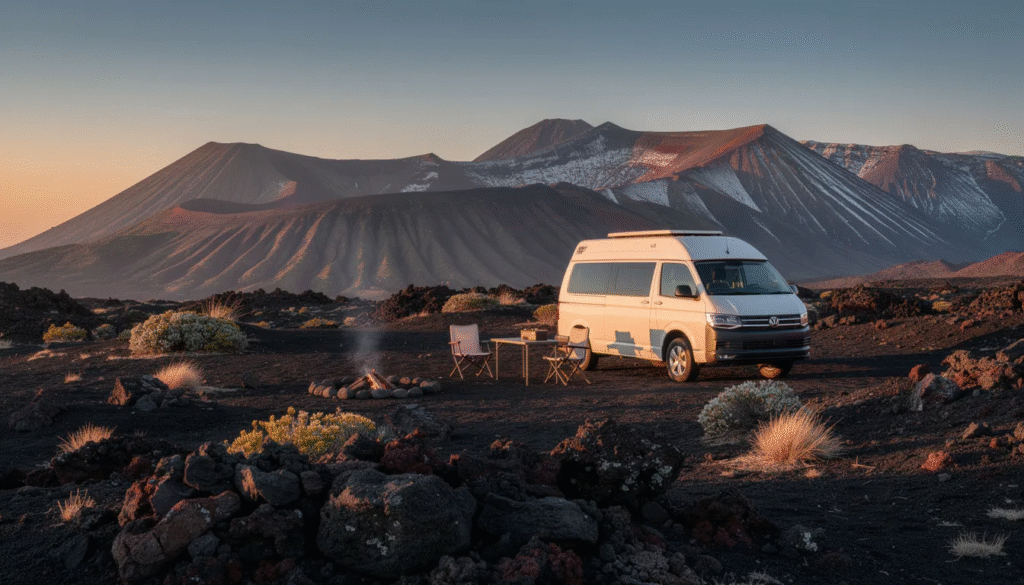
When you search for rv rental Hawaii, you’re really searching for freedom—the freedom to explore at your own pace, sleep where the views are best, and experience these islands beyond what any tour bus or resort can offer.
Hawaiian Overlanders delivers exactly that kind of freedom with vehicles purpose-built for island conditions. Their fleet includes well-maintained rigs designed for Hawaii’s unique terrain, from coastal roads to volcanic highlands. Comprehensive gear means you arrive ready to explore without hunting down camping supplies. And their curated island guides transform what could be overwhelming trip planning into confident day-by-day itineraries.
Operating specifically on Kauai and the Big Island allows Hawaiian Overlanders to share genuinely current, island-specific knowledge. They know which roads closed after last month’s rains. They know which beach park just updated its permit system. They know where to find the best poke on the way to your campsite.
This is travel that transforms your Hawaii trip from a standard vacation into something unforgettable. Imagine waking up at a beach park as the sun rises over the Pacific. Cooking breakfast while watching surfers ride morning swells. Spending the day chasing waterfalls and hidden beaches, then parking somewhere new to watch sunset paint the sky orange and purple. That’s the life Hawaiian Overlanders makes possible.
Ready to start planning? Visit hawaiianoverlanders.com to browse the fleet, check availability for your dates, and book the rig that will carry you through paradise. Your island adventure is waiting.
Full-size motorhomes and towable RVs are rare on the islands and aren’t the focus of Hawaiian Overlanders’ fleet. Due to narrow roads, limited hookups, and campground policies that favor smaller vehicles, compact campervans and overland vehicles are significantly more practical for Hawaii travel. Hawaiian Overlanders specializes in campervans and rooftop tent rigs that deliver a similar experience to RV travel but are specifically suited to local conditions. You won’t find yourself stuck on a one-lane bridge or circling a beach park looking for a spot that doesn’t exist.
Many popular state and county campgrounds on Kauai and the Big Island require advance reservations, especially for weekends and holidays. Book at least your key nights—particularly the first and last nights of your trip and any high-demand areas—before you fly. Hawaiian Overlanders’ planning resources help you prioritize which sites need reservations and which might allow more spontaneous access. Some more basic or remote spots may still operate first-come, first-served, but availability can’t be guaranteed, especially during peak seasons.
No. Overnighting in vehicles is only allowed in designated camping areas or places that explicitly permit it. Roadside camping, parking lot sleeping, and random beach parking are often prohibited and can result in citations or towing. Hawaiian Overlanders encourages responsible, legal camping and provides detailed guidance on approved sites throughout Kauai and the Big Island. Respecting local rules protects access for future visitors and maintains positive relationships with island communities who share these spaces with travelers.
Since Hawaiian Overlanders rigs come equipped with sleeping setups, kitchen gear, and camping essentials, you primarily need to bring clothing suitable for warm days and cooler nights, swimwear, reef-safe sunscreen, and personal toiletries. Add light rain layers (brief showers happen even on sunny days), comfortable walking or hiking shoes, and a small daypack for waterfall and coastal hikes. If you have favorite snorkel gear, bring it—otherwise, rental equipment is available throughout the islands. Review the specific gear list on your Hawaiian Overlanders vehicle listing to avoid bringing duplicate bulky items from home.
Some roads, unpaved tracks, and sensitive high-elevation areas have restrictions for rental vehicles, even for 4×4 rigs. Certain summit roads and backcountry tracks may be off-limits due to insurance requirements, environmental protections, or safety concerns. Hawaiian Overlanders clarifies any road limitations, off-pavement rules, and safety guidelines during your vehicle pickup and provides written materials covering where you can and cannot drive. Following these guidelines protects both your safety and helps you avoid damage charges or violations of local regulations. When in doubt, contact Hawaiian Overlanders directly with questions about specific routes you’re considering.
Plan your Big Island camping trip with a 4WD rooftop camper van. Campgrounds, routes, and everything you need to explore Hawaii’s most dramatic island.
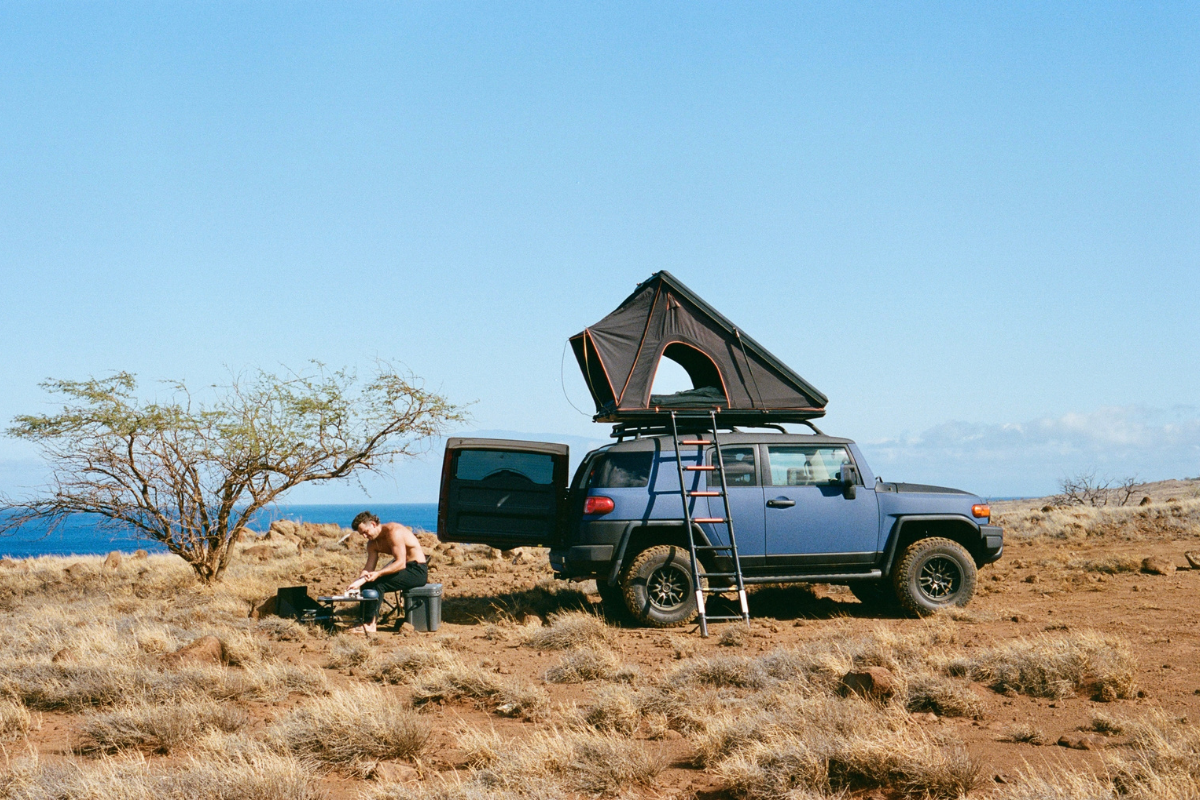
Key Takeaways Introduction: Why Think Beyond a Standard Kauai Van Rental? Kauai is compact—roughly 33 miles long and 25 miles wide—yet packed with destinations that
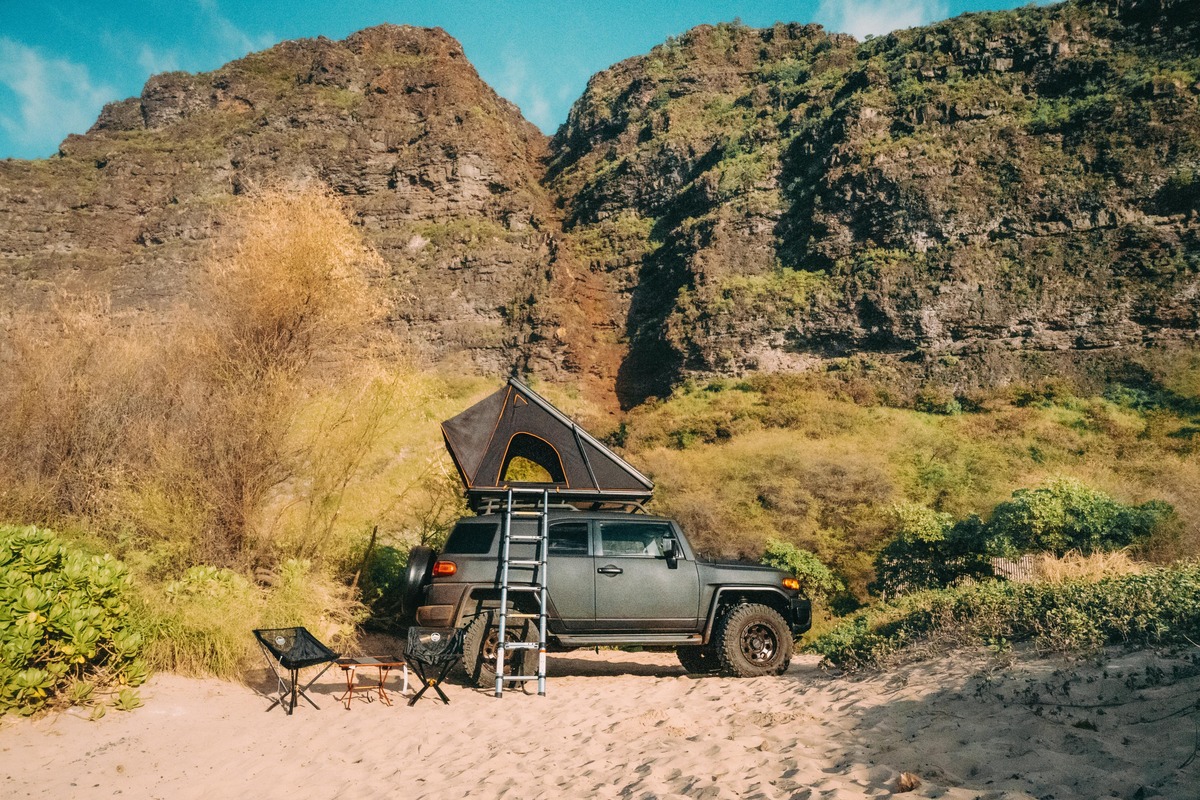
Key Takeaways Introduction: Why Choose a Big Island Camper Rental Instead of a Hotel? Imagine waking up above the black sand at Punaluʻu, unzipping your