
The Complete Guide to Camping the Big Island of Hawaii by Camper Van
Plan your Big Island camping trip with a 4WD rooftop camper van. Campgrounds, routes, and everything you need to explore Hawaii’s most dramatic island.
The Big Island is unlike anywhere else in Hawaii — or on earth. You have active lava flows in the south, snow-capped Mauna Kea in the center, black sand beaches on the east coast, and bone-dry lava desert in the west, all on one island roughly the size of Connecticut. Exploring it from a hotel means picking one corner and calling it a trip. Exploring it from a camper van means waking up wherever you want.
This guide covers the best campgrounds, a practical 7-day route, and everything you need to know before you book a Big Island camper van rental — so you can plan the trip, not just the accommodation.
Most visitors to the Big Island base themselves in Kona or Hilo and day-trip from there. It works, but it means 2–3 hours of driving every time you want to reach the other side of the island. The Big Island is 4,028 square miles — bigger than all the other Hawaiian islands combined.
A camper van solves this. You follow the weather, not a hotel checkout. If Kona is cloudy and Hilo is sunny, you move. If you find a campground you love, you stay another night. The island rewards this kind of flexibility.
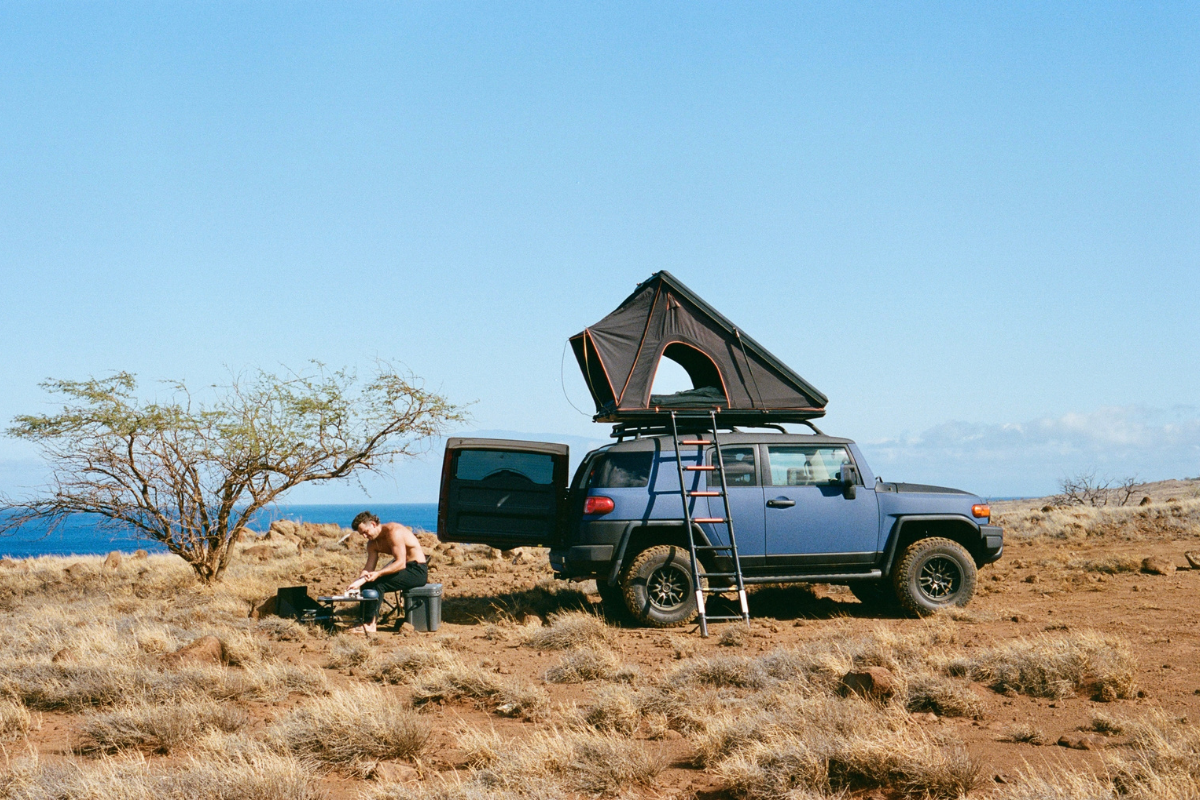
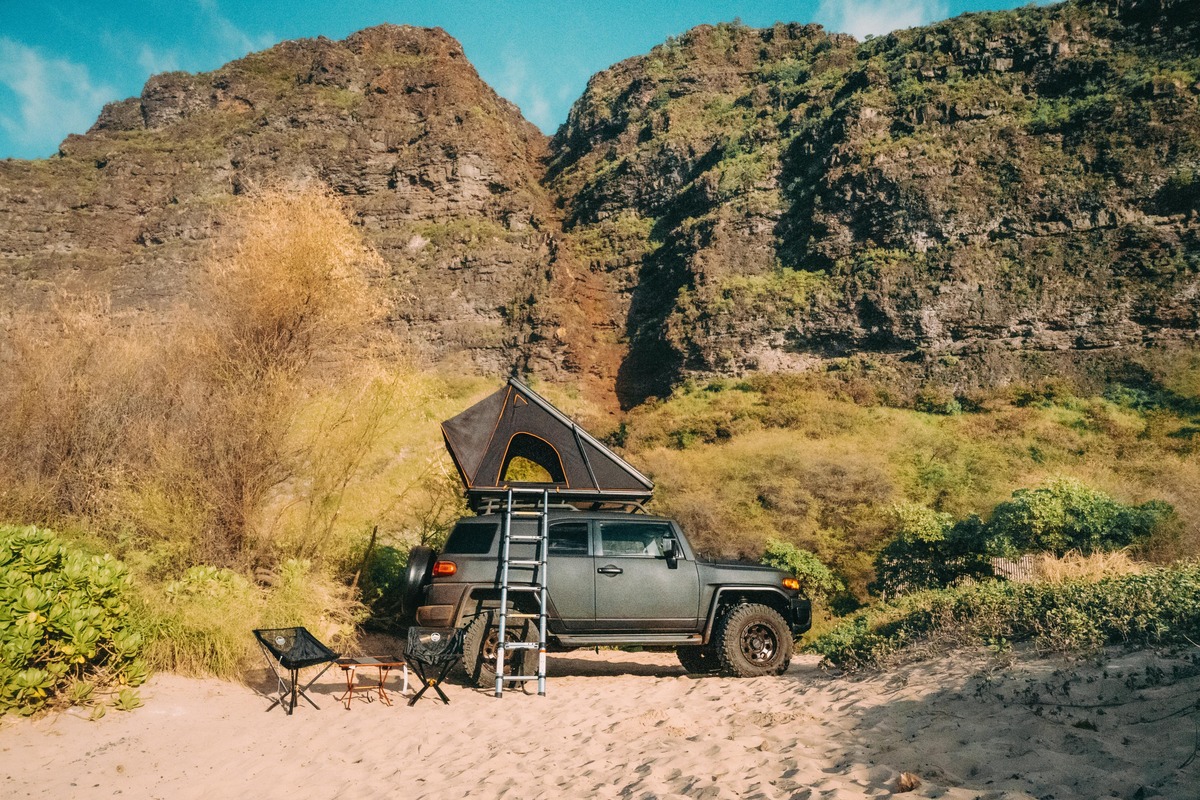
Hawaiian Overlanders runs 4WD FJ Cruiser campers with rooftop tents out of both islands. See the Big Island camper van rental options — each rig comes stocked with a cooler, camp kitchen, and everything you need to be self-sufficient from day one.
A few things make the Big Island specifically suited to camper van travel:
Scale. The driving distances are real. No camper van means you’re either paying for multiple hotels or burning hours backtracking.
Campground variety. From Hawaii Volcanoes National Park to beachfront county parks, the campgrounds here are genuinely worth staying at, not just sleeping at.
4WD access. Some of the best spots on the island — Waipio Valley access roads, rough lava tracks to remote beaches — require clearance and traction that a standard rental car can’t provide.
These are the campgrounds worth building your route around. Reservations are required at most of them — book in advance, especially for Volcanoes.
Elevation: 4,000 feet. The air is cool, the ohia forest is dense, and you’re minutes from the Kilauea caldera and the Chain of Craters Road. This is the most popular campground on the island for good reason. Tent sites available; a rooftop tent setup works perfectly here. Reservations at recreation.gov.
Black sand beach camping on the southeast coast, where sea turtles come ashore regularly. County park permit required. This is one of the most photographed spots on the island, and camping here means you have it to yourself in the early morning before day-trippers arrive.
On the sunny Kohala Coast — the west side, where the weather is most consistent. Hapuna is frequently ranked among the best beaches in the US. Sheltered A-frame shelters and tent sites available. Book early through the Hawaii DLNR system.
A quieter county park on the North Kohala coast, popular with snorkelers and locals. Lower traffic than Hapuna. Good option for a mid-route overnight when you’re working your way up the west side.
Southwest corner of the island, dry side. A small, low-traffic state park with a lava tube trail on site. Useful anchor point if you’re spending time in Ka’u. Not as well-known as the others, which means it’s often available when everything else books out.
This loop starts and ends in Hilo (where most inter-island flights land) and circles the island clockwise. Adjust based on how much time you want to spend in the volcano area versus the beach coast.
Pick up your camper van, stock the cooler at a Hilo grocery store (KTA Super Stores on Puainako is the best option), and drive 30 minutes to the park. Check in at the Kilauea Visitor Center, drive the Chain of Craters Road to the coast, and camp at Namakani Paio. Watch for lava glow at night if conditions are active.
Full day in the park. Hike the Kilauea Iki trail (4 miles, crosses a hardened lava lake), walk the Thurston Lava Tube, and drive Crater Rim Drive. The park rewards slow exploration. Second night at Namakani Paio.
Exit the park south, stop at Punalu’u for the black sand beach and sea turtles, then continue around the south point. South Point Road leads to the southernmost point in the US — windswept, dramatic, worth the detour. Camp at Manuka State Wayside or continue to South Kona.
The sunny side. Kealakekua Bay for snorkeling (Captain Cook monument, best snorkeling on the island), lunch in Kailua-Kona, afternoon at one of the Kohala coast beach parks. Camp at Mahukona or Hapuna.
Drive north through the Kohala Mountains. Stop at the Pololu Valley lookout and, if you’re up for it, hike down to the black sand beach at the valley floor. Kohala Mountain Road offers some of the best views on the island on a clear day. Camp on the north Kohala coast.
Head inland through Waimea (cattle ranching country, real Hawaiian cowboy culture, excellent plate lunch). Drive the Saddle Road between Mauna Kea and Mauna Loa. If you’re going to the Mauna Kea summit visitor center (9,200 ft), do it today — acclimatize before going to the summit. Camp near Hilo.
Hilo is worth a morning. The farmers’ market (Wednesday and Saturday) is the best in the state. Rainbow Falls and Akaka Falls are both worth the stop. Return the camper van by the agreed time.
Ready to book? See available Big Island camper van dates and lock in your rig before the good weeks go.
The Big Island has rougher road conditions than Kauai in places — particularly the South Point access road, some Kohala coast tracks, and anything near active lava zones. Hawaiian Overlanders’ FJ Cruisers handle all of it. A standard 2WD rental car cannot legally or practically access some of these areas.
Hawaii state parks require reservations through gostateparks.hawaii.gov. County parks (like Punalu’u) require permits through the Hawaii County system. Volcanoes National Park campground reservations go through recreation.gov. Book all three as soon as your dates are confirmed — they fill weeks out in peak season (December–March and June–August).
Hawaiian Overlanders’ Big Island camper vans come equipped with a rooftop tent, sleeping gear, camp kitchen kit (propane stove, cookware, utensils), cooler, camp chairs, and basic supplies. You bring your food, personal gear, and a sense of direction.
The Big Island has 8 of the world’s 13 climate zones. The east side (Hilo, Volcanoes) is wet and lush. The west side (Kona, Kohala) is dry and sunny. The summit areas are alpine. A camper van lets you chase the weather — and on a week-long trip, you’ll genuinely experience several of these zones back to back.
Yes. Hawaii state and county parks allow camping with a camper van or rooftop tent, and Hawaii Volcanoes National Park has a designated campground (Namakani Paio) that accommodates tent-style setups. Permits are required at most campgrounds and should be booked in advance.
Namakani Paio (Volcanoes NP), Hapuna Beach State Recreation Area, Punalu’u Beach Park, Mahukona Beach Park, and Manuka State Wayside all accommodate camper vans with rooftop tents. Most require advance reservations through gostateparks.hawaii.gov, recreation.gov, or the Hawaii County permit system.
For main campgrounds, no. But for the full experience — South Point, some north Kohala tracks, and access near lava zones — 4WD clearance makes a significant difference. Hawaiian Overlanders’ FJ Cruisers are 4WD by default, which means you’re not locked out of the best access roads.
Pricing varies by season and availability. Check current Big Island camper van rates directly on the Hawaiian Overlanders site for accurate availability and pricing.
Seven days is the sweet spot for a full loop. Five days is doable if you prioritize (Volcanoes + Kohala coast). Anything less than four days means you’re rushing. The Big Island rewards slow travel.
Plan your Big Island camping trip with a 4WD rooftop camper van. Campgrounds, routes, and everything you need to explore Hawaii’s most dramatic island.
Key Takeaways Introduction: Why Think Beyond a Standard Kauai Van Rental? Kauai is compact—roughly 33 miles long and 25 miles wide—yet packed with destinations that
Key Takeaways Introduction: Why Choose a Big Island Camper Rental Instead of a Hotel? Imagine waking up above the black sand at Punaluʻu, unzipping your