The Complete Guide to Camping the Big Island of Hawaii by Camper Van
Plan your Big Island camping trip with a 4WD rooftop camper van. Campgrounds, routes, and everything you need to explore Hawaii’s most dramatic island.

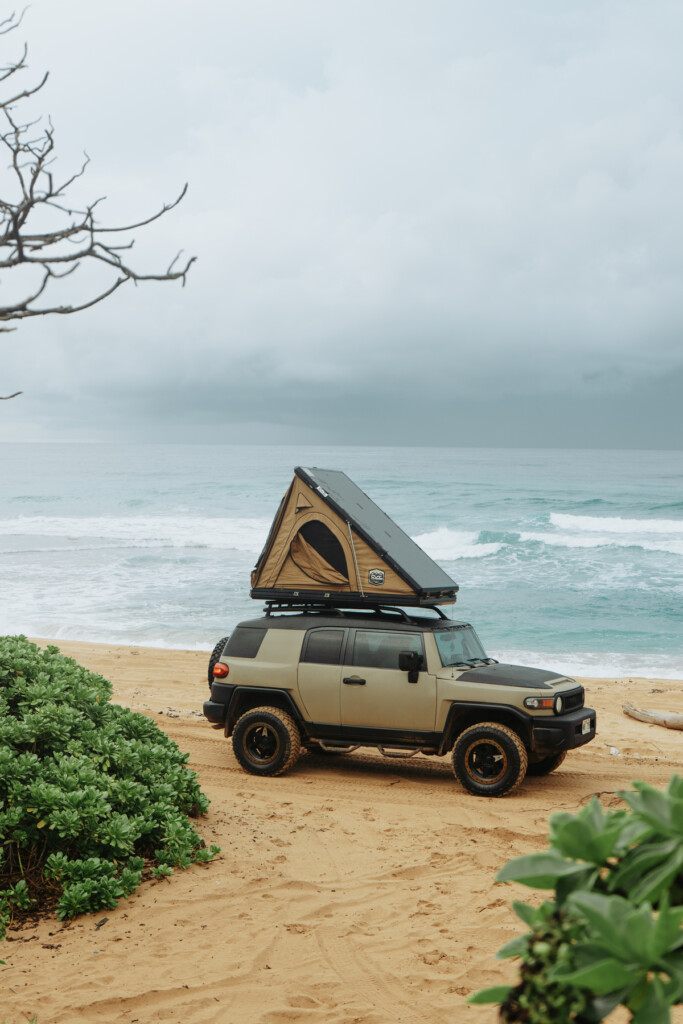
Imagine waking up on kauai’s north shore with the sound of waves just beyond your campsite, or watching steam rise from Hawaiʻi Volcanoes National Park as morning light fills your rooftop tent. That’s the freedom rv hire in Hawaii can offer—but it looks different than what you might expect from mainland road trips.
Unlike the continental US, hawaii has almost no traditional RV parks with full hookups. Most “rv rentals” here means compact campervans, class b rigs, or 4×4 vehicles equipped with rooftop tents designed for the islands’ narrow roads and smaller campgrounds.
Hawaiian Overlanders focuses specifically on kauai and the big island, offering rooftop tent campers built for island conditions rather than oversized motorhomes that struggle with one-lane bridges. This article covers the realities of RV-style travel in hawaii, compares your options, and shows you how to plan a safe, legal island road trip.
RV-style trips in hawaii attract a specific type of traveler: independent explorers, couples seeking adventure, budget-conscious families, and anyone who values flexibility over fixed resort bookings.
This style works best for travelers who prefer setting their own schedule rather than waiting for tour buses. Hikers, surfers, and snorkelers love dawn-to-dusk access to trails and breaks without returning to a hotel. Visitors can cut accommodation costs significantly while gaining deeper immersion in nature—waking up steps from pristine beaches or hidden gems most tourists never see.
However, camper travel may not suit everyone. If you need daily maid service, have a large group over 4–5 people, or feel uncomfortable with basic campground facilities like shared restrooms, a resort might serve you better. The outdoor lifestyle means most time is spent at beaches, viewpoints, or on hikes—not inside the vehicle.
The term “rv hire” in hawaii covers several distinct categories:
| Vehicle Type | Availability | Best For | Limitations |
| Large Motorhomes (Class C+) | Rare, mostly Oahu/Maui | Groups wanting interior space | Narrow roads, almost no hookup parks |
| Campervans (Class B) | Moderate | Couples, indoor amenities | Still limited by campground size |
| 4×4 Rooftop Tent Rigs | Growing | Adventure travelers, mixed terrain | Outdoor-focused lifestyle |
Traditional motorhomes face real challenges: hawaiian roads include tight turns, one-lane bridges, and park entrances designed for standard vehicles. Full-hookup RV parks are nearly nonexistent—fewer than five statewide.
Camper van rental options offer small kitchens, beds, and sometimes indoor toilets. They’re more maneuverable but still constrained by campground rules and coastal parking limits.
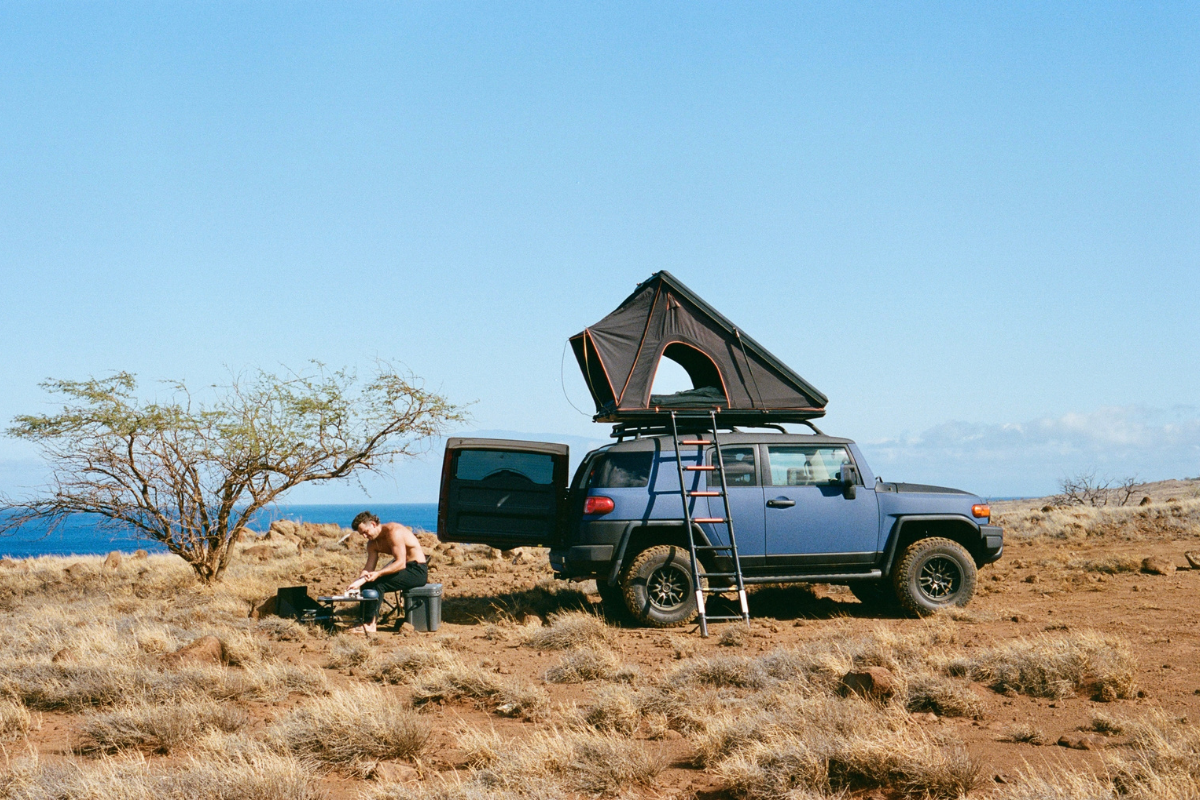
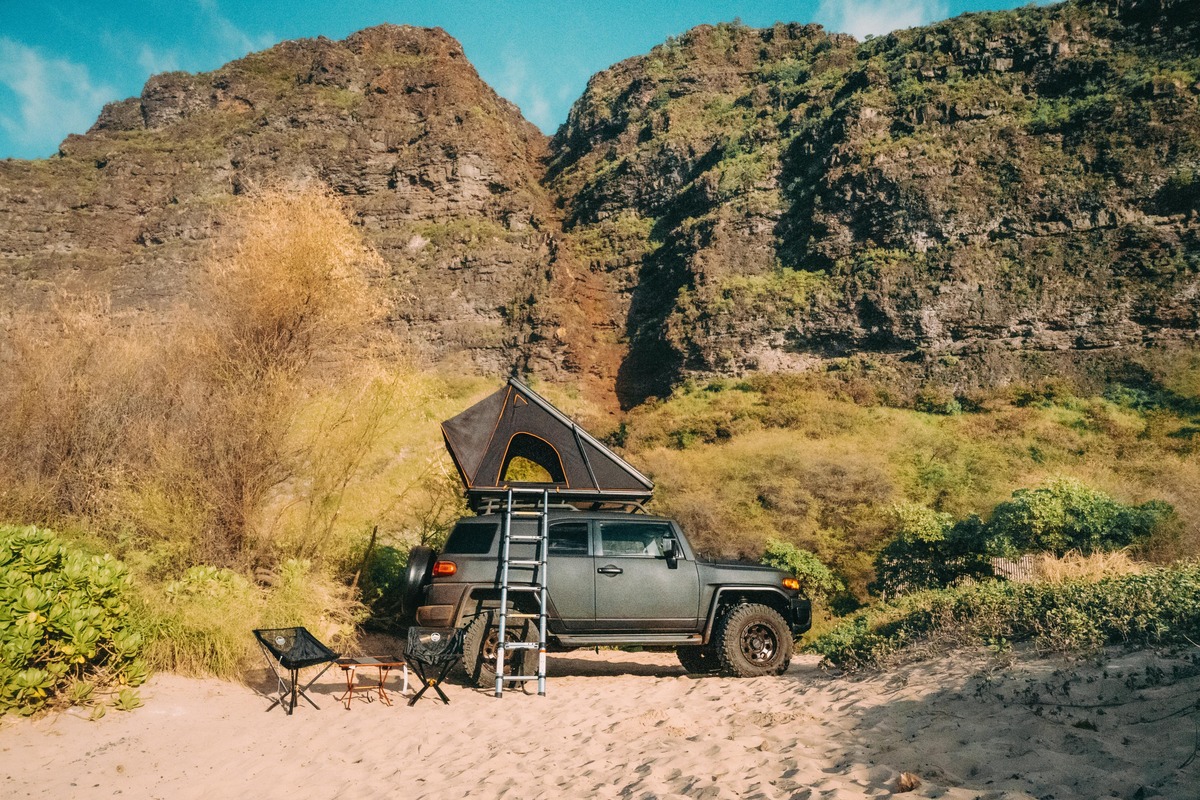
Rooftop tent campers—Hawaiian Overlanders’ specialty—mount quick-deploy tents on 4×4 platforms like Toyota Tacomas. These sleep 2–4 people on elevated queen-sized mattresses, with integrated camp kitchens, coolers or fridges, awnings, and storage. They’re ideal for kauai and big island terrain where larger rvs simply can’t go.
While you can explore oahu and maui with campervan rentals, kauai and the big island offer the best conditions for multi-day camping loops.
Kauai packs dramatic variety into 552 square miles. Legal campgrounds circle the island, enabling a complete loop itinerary past Nāpali coast overlooks, Wailua River, and lush north shore beaches. Daily drives stay under 50 miles, perfect for 5–7 day trips where rooftop tents access compact pads unsuitable for larger rigs.
The Big Island spans 4,028 square miles with extraordinary climate variety: sunny Kona beaches, Hilo’s waterfalls, Mauna Kea stargazing, and volcanic landscapes. County parks, state sites, and private campgrounds support 7–10 day circuits with drives up to 100 miles on Saddle Road.
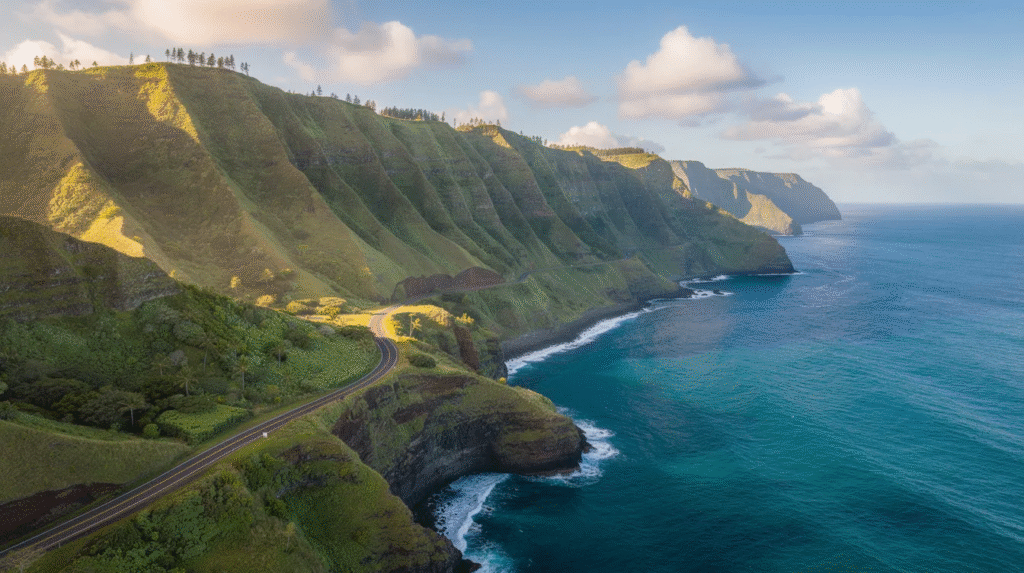
Oahu offers scenic routes like Kamehameha Highway to the north shore, but tighter parking enforcement and urban density limit overnight options. Maui’s Road to Hāna suits campervans for sites like Waiʻānapanapa State Park, though higher crowds and evolving vacation rental regulations make it less optimal.
For travelers specifically seeking multi-day camping adventures with rooftop tent or camper vehicles, we recommend kauai and the big island.
Planning your trip follows a clear sequence:
Step 1 – Choose your island and trip length. Plan 5–7 days minimum for kauai, 7–10 days for the big island. No inter-island vehicle ferries exist, so rent on one island per trip.
Step 2 – Select your vehicle type. Match group size and comfort level to available options. Hawaiian Overlanders provides rooftop tent campers with all core camping gear included—no separate purchases needed.
Step 3 – Confirm dates and permits. Secure your vehicle first, especially during peak seasons (June–August, December–March). Then lock in campground reservations through state and county systems. We supply guidance on which sites require advance permits.
Step 4 – Arrival and pickup. Meet at designated pickup locations on kauai or the big island. Orientation covers tent deployment (under 5 minutes), kitchen setup, campground etiquette, and using our printed or digital guidebook.
Step 5 – On-the-road support. Guests receive contact information for questions about campsites, weather adjustments, or route changes. Our vehicles are regularly serviced with all-terrain tires and safety checks.
Hawaii operates a regulated patchwork of state parks, county beach parks, and limited private sites. Free roadside or beach pullout camping is illegal statewide, with fines up to $1,000 or towing.
Legal camping options include:
Kauai examples: Anahola Beach Park and Salt Pond Park require current permits and follow specific closing-night schedules and quiet hours (typically 10 PM–6 AM).
Big Island examples: Ho’okena Beach Park near Kona ($10–20/night) and sites near Hawaiʻi Volcanoes National Park enforce occupancy limits and no-generator policies.
Camping in random parking lots, residential streets, or unpermitted shoreline pullouts risks citations. Hawaiian Overlanders’ guides eliminate guesswork by providing verified, up-to-date campground lists.
Rooftop tents deploy in under 5 minutes using gas struts—no stakes, no ground dampness, no crawling insects. The elevated design handles island wind and tropical showers better than ground tents.
Sleeping setup: Most tents feature roughly queen-sized mattresses sleeping 2 adults comfortably (up to 4 with children). Screened windows and rainfly covers provide ventilation designed for trade winds and sudden showers.
Included gear from Hawaiian Overlanders:
Daily rhythm: Set up camp before sunset, cook dinner under the awning watching the sky change colors, then close everything down in the morning before exploring beaches or hiking trails. No blackwater tanks, no complex hookups, no generator noise.
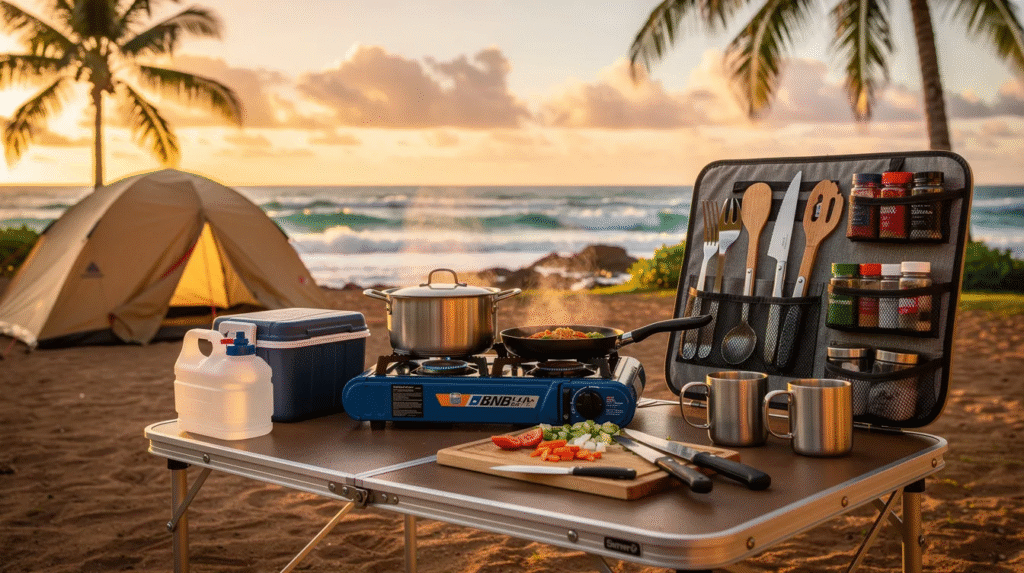
Our vehicles undergo frequent inspections—tires, ladders, tent zippers, and hardware are checked after each rental for safety on volcanic roads and black sand beaches.
Prices vary by season, island, and vehicle type, but camping typically costs 30–50% less than comparable hotel stays.
| Vehicle Type | Low Season (Apr–May, Sep–Nov) | Peak Season (Jun–Aug, Dec–Mar) |
| Rooftop Tent 4×4 | $140–$180/night | $200–$250+/night |
| Campervan/Class B | $180–$250/night | $250–$300+/night |
Additional expenses to budget:
Budgeting tips: Book 3–6 months ahead for peak periods to secure better rates. Consider hybrid itineraries—blend 3–4 camp nights with occasional guesthouse stays for laundry and rest.
Hawaiian Overlanders provides transparent pricing with no surprise fees. We explain exactly what’s included before you spend a dollar.
Camping legally and safely in hawaii depends on current local information—not outdated blog posts or random map pins. Regulations change, parks close for maintenance, and weather patterns shift seasonally.
Hawaiian Overlanders supplies detailed island guidebooks for kauai and the big island featuring:
This structure creates freedom within a clear framework. You’re not locked into a tour bus schedule, but you’re also never guessing where to sleep or eat. Our team monitors campground rule changes and weather patterns, advising guests before and during trips when adjustments help.
Add-on gear transforms a simple camper hire into a complete island basecamp.
Water sports equipment:
Comfort upgrades:
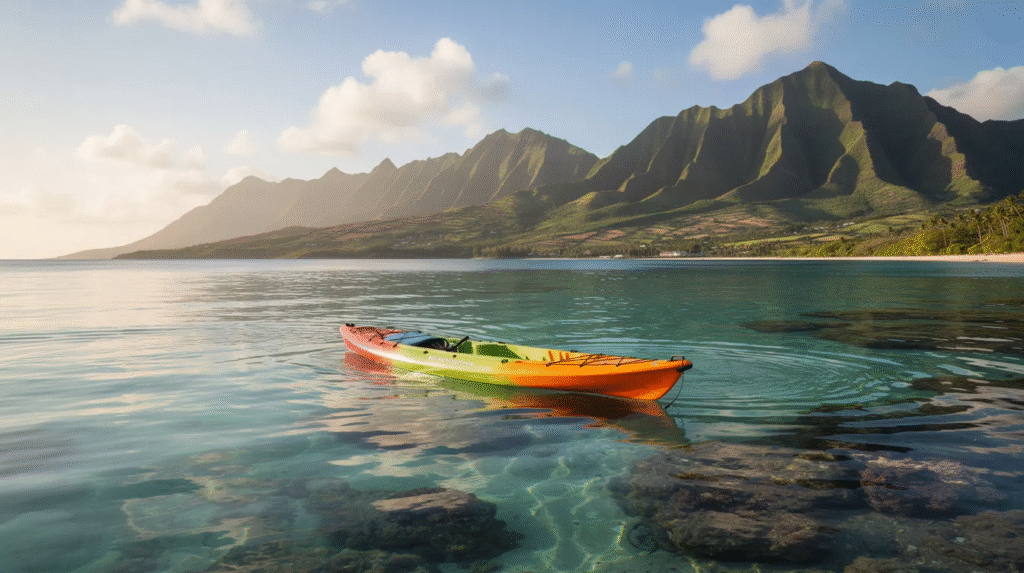
Pre-book gear so everything waits in your vehicle at pickup—no extra errands, no rental lines at the beach. Traveling light on flights and relying on local equipment reduces baggage fees and keeps packing simple.
Responsible camping protects delicate ecosystems and shows respect for local communities.
Core etiquette:
Driving considerations:
Weather awareness:
Cultural respect:
Hawaiian Overlanders offers a locally grounded alternative to anonymous rental listings. We know these islands because we live here.
Benefits of booking with us:
Booking support includes:
We help customers find alternative legal spots when last-minute changes happen—no regret, no scrambling.
Ready to create your own island adventure? Check availability for rooftop tent campers on kauai or the big island and start mapping your trip today.
Most visitors only need a valid standard driver’s license from their home country or state. If your license isn’t in English, bring an official translation or International Driving Permit. Typical minimum age for insurance is 25+, though policies vary—check current requirements before booking. No commercial license is required since our campers fall well under weight thresholds triggering special licensing.
No regular car ferry service exists between major hawaiian islands for tourists. Vehicles stay on the island where hired. If you want to visit multiple islands, book separate trips with inter-island flights between them. Hawaiian Overlanders currently operates on kauai and the big island, so plan one focused camper trip per island.
Book 3–6 months ahead for peak seasons (June–August, late December, school holiday weeks). Campground permits through state and county systems also sell out, so early vehicle booking helps you plan a realistic route. Shoulder seasons offer more flexibility but still benefit from advance reservations.
Hawaiian weather shifts quickly, especially on windward coasts. Our guidebooks suggest backup camp areas on drier leeward sides where possible. Guests can contact us for route adjustments. Pack light rain gear, keep valuables inside the vehicle, and avoid exposed or flood-prone spots during severe conditions.
Absolutely. Many guests blend rooftop tent camping with occasional hotel or guesthouse stays for laundry and rest. A common pattern: three nights camping, one night in honolulu or a small town, then back to the camper. Share your rough plan with us so we can suggest campgrounds and driving days that fit around your non-camping accommodations.
Plan your Big Island camping trip with a 4WD rooftop camper van. Campgrounds, routes, and everything you need to explore Hawaii’s most dramatic island.
Key Takeaways Introduction: Why Think Beyond a Standard Kauai Van Rental? Kauai is compact—roughly 33 miles long and 25 miles wide—yet packed with destinations that
Key Takeaways Introduction: Why Choose a Big Island Camper Rental Instead of a Hotel? Imagine waking up above the black sand at Punaluʻu, unzipping your