The Complete Guide to Camping the Big Island of Hawaii by Camper Van
Plan your Big Island camping trip with a 4WD rooftop camper van. Campgrounds, routes, and everything you need to explore Hawaii’s most dramatic island.
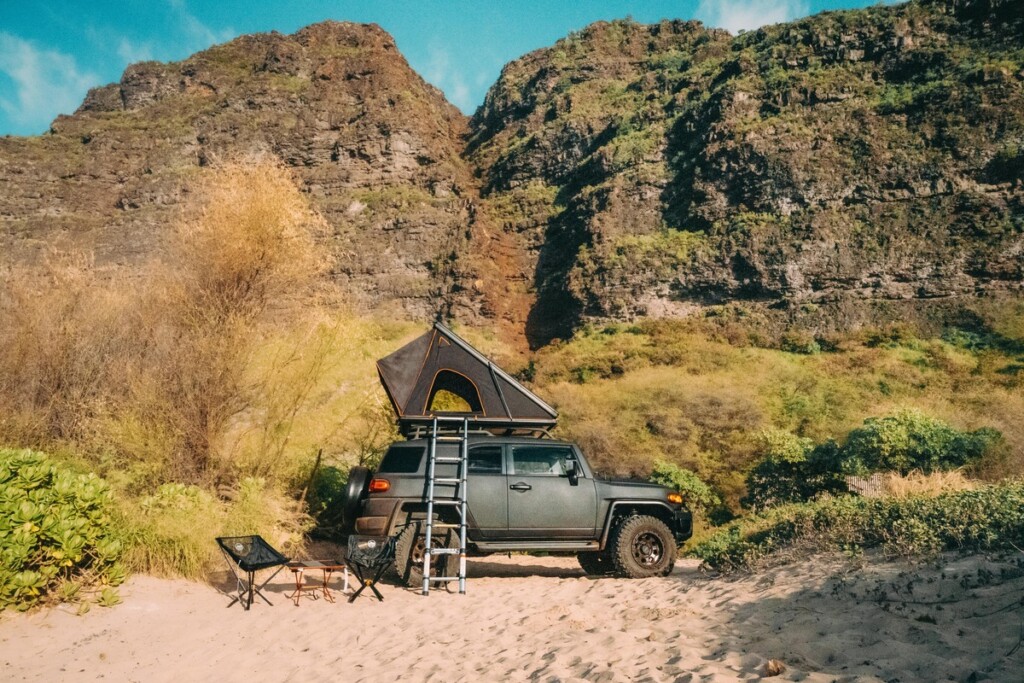
Imagine waking up above the black sand at Punaluʻu, unzipping your rooftop tent to watch the sunrise, then driving to Hawai’i Volcanoes National Park before lunch. That’s the freedom a big island camper rental delivers.
This guide comes from HawaiianOverlanders.com, a local company specializing in rooftop tent camper rentals on the Big Island and Kauai. A camper rental lets you see both active volcanoes and pristine beaches in one trip without being tied to a single resort in Kona or Waikoloa.
Here you’ll find what a camper rental actually is, where you can camp legally, what to pack, and how to stay safe while you explore. As of 2026, regulations and park access can change—always confirm details on official state and national park sites before arrival.
Hawaiian Overlanders rents 4×4 and AWD vehicles equipped with rooftop tents—not large RVs or built-out campervan rentals. This distinction matters on an island with narrow two-lane highways, steep grades near Mauna Loa, and rough beach access roads.
Compared to a typical Mercedes Sprinter camper van or bulky rv rental, rooftop tent campers are easier to park in Hilo or Kona, simpler to drive for visitors not used to big rigs, and better suited for reaching hidden gems off the main routes.
A typical setup includes a hard shell or soft shell rooftop tent sleeping platform, high-density mattress, camp kitchen box with stove, cooler or 12V fridge, and basic cookware. Setup takes under five minutes, and the tent stays clean and dry above humid ground conditions—a real advantage during rainy Big Island nights.
This is adventure with structure: reach more remote hiking trails and beautiful beaches while keeping a well-organized, easy-to-use camping system ready in your vehicle.
The fleet at Hawaiian Overlanders is built specifically for Hawaiʻi Island conditions. Steep grades near volcanoes, rougher access to some beach parks, and variable weather near Volcano Village demand reliable, capable vehicles.
All vehicles receive frequent mechanical checks, tire inspections, and brake servicing between guests to maximize safety on mountain and saddle roads. Each camper includes a custom rooftop tent sleeping two to three adults, with all bedding freshly laundered between rentals.
Interior storage keeps your trip organized—shelves, bins, and tie-down points for luggage, food, and rental gear so nothing shifts on winding roads.
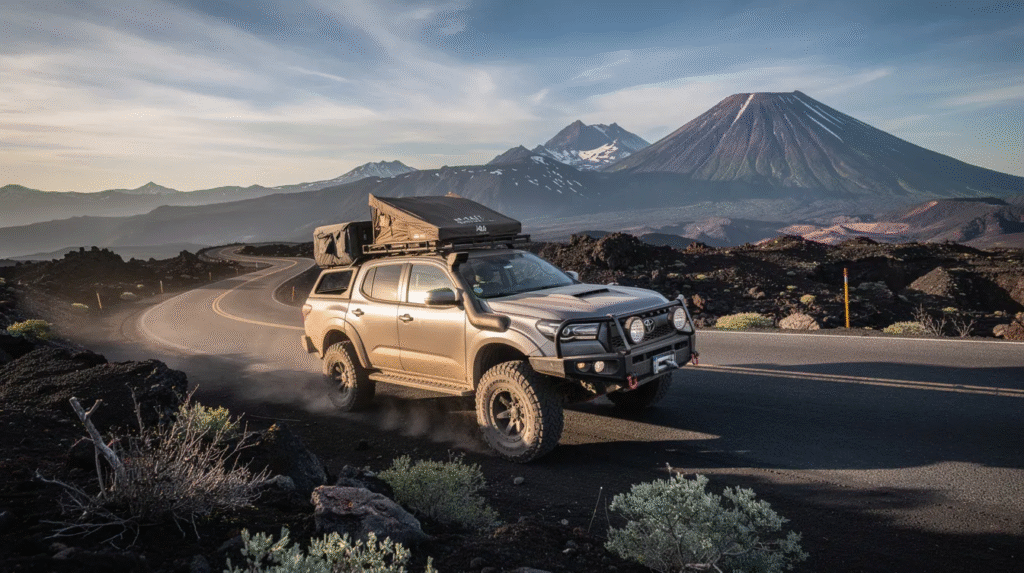
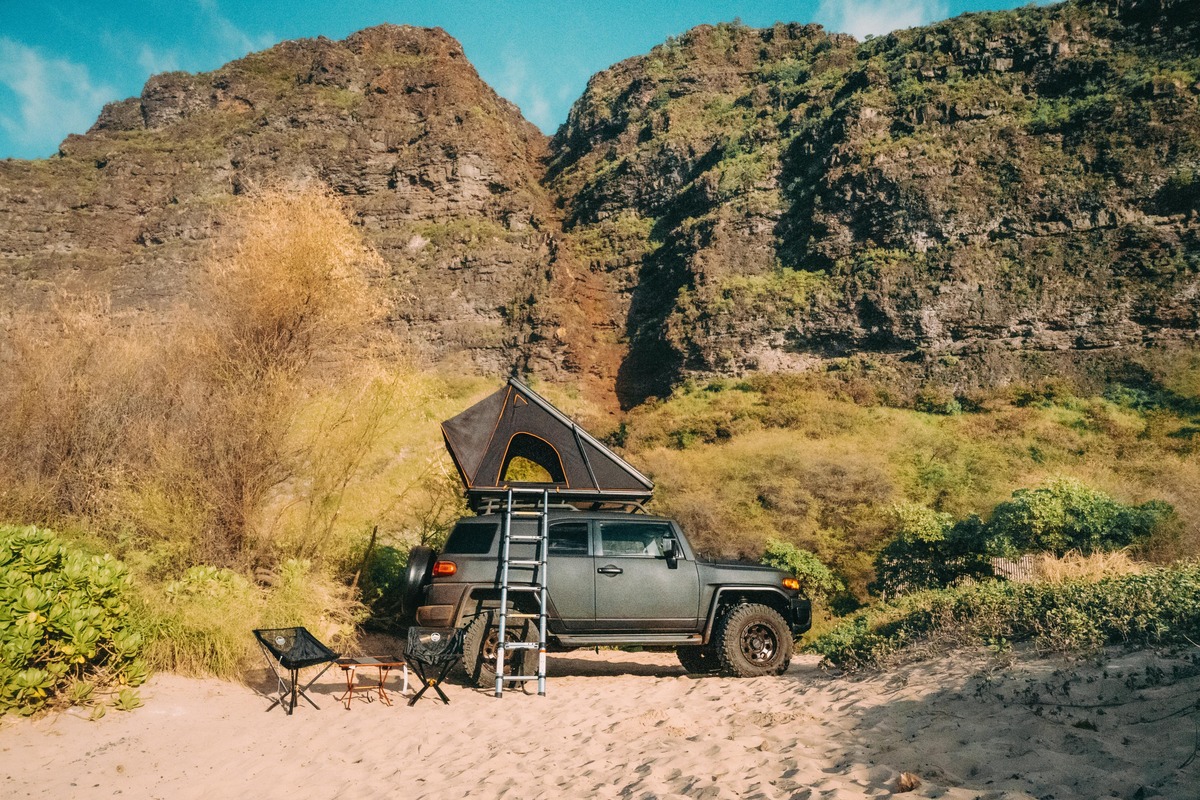
The Big Island fleet features rugged builds like fully decked FJ Cruisers with lift kits and 33-inch wheels, priced around $189 per day. These mid-size 4x4s handle everything from the open road along the Kohala Coast to rougher paths near South Point.
Comfort features include thick mattresses, bug screens, LED lighting in the tent, USB charging in the cabin, and portable fans for humid nights. Each camper comes with a camp kitchen kit: two-burner stove, propane, pots and pans, cutting board, utensils, plates, and a cooler or compact 12V fridge—everything down to the kitchen sink mentality.
Safety and recovery items are standard: first aid kit, tire inflator, jumper cables, and basic roadside tools. These aren’t fear-based additions—they’re practical reassurance for exploring lava fields and remote lush valleys.
Clear nights near Hawai’i Volcanoes National Park offer stunning stargazing directly from your rooftop tent. The island’s dark skies make this an unforgettable experience.
A single week-long camper rental can include the Kona Coast, Hawai’i Volcanoes National Park, Hilo waterfalls, and Mauna Kea area viewpoints. Hawaiian Overlanders provides an up-to-date digital and printed route guide so you’re never guessing where to park or sleep legally.
Suggested itineraries balance driving time with beach time and hikes, making use of legal campgrounds and permitted areas throughout the Big Island of Hawaii.
Start in Kona, head south through the Puʻuhonua o Hōnaunau National Historical Park area, continue to Hawaiʻi Volcanoes National Park for Kīlauea Iki Trail, Chain of Craters Road, and Nāhuku Lava Tube (status dependent). Then drive to Hilo and return across the Saddle area toward Waimea.
Legal camping options exist in or near the national park—the Hawaiian Overlanders guidebook includes exact sites and permit links. Plan for cooler nights at elevation near Volcano; temperatures can drop significantly even in summer.
Day trips to waterfalls around Hilo—like Akaka Falls State Park—add variety, though camping is not allowed at certain scenic stops. Overnight parking is available at designated campgrounds nearby.
This west and south coast route focuses on snorkeling, sandy beaches, and coastal camp spots. Start from Kailua-Kona and work your way along stunning ocean views to Kealakekua Bay, known for crystal clear waters and excellent snorkeling.
Continue south past white sand beaches near Kona, Puakō shoreline access, and the famous Punaluʻu Black Sand Beach. Day use is available at Punaluʻu, with permitted camping nearby.
Rooftop tent campers make it easy to move between different coastal parks without checking in and out of a hotel or resort each night. The guidebook flags calmer swimming spots, popular turtle viewing areas, and permit requirements.
Always respect wildlife—no touching turtles or dolphins—and leave beaches cleaner than you found them.
Private vehicles with rooftop tents cannot camp at the Mauna Kea summit, but legal overnight options exist at lower elevations. The experience of stargazing from darker interior areas on clear nights remains incredible.
Drive Saddle Road with caution—weather, wind, and visibility can change quickly. Check 2026 rules on vehicle use restrictions. Temperatures drop significantly at elevation, so pack warm layers, a beanie, and light gloves.
Hawaiian Overlanders’ route guide points out safe pullouts and legal overnight options rather than roadside tent camping, which is prohibited in most areas.
Roadside sleeping in vehicles is generally not allowed on the Big Island. Guests must use designated campgrounds, county beach parks, state recreation areas, or private camp facilities.
Main categories include:
Hawaiian Overlanders keeps an updated list in the guest guidebook with phone numbers, reservation links, and permit steps. Camping legally supports local communities and avoids fines or midnight evictions.
Many county and state beach parks require advance camping permits that sell out—especially during winter holidays, spring break, and summer. Book through Hawaiʻi County or DLNR websites before arrival.
Typical rules include quiet hours (usually 10 PM to 6 AM), alcohol restrictions, and vehicle parking limits. Hawaiian Overlanders provides a planning checklist so you can pair camper rental dates with appropriate, legal camp reservations.
Following local regulations builds goodwill and keeps camping options available for future travelers to the Hawaiian Islands.
The goal is simple: land at Kona or Hilo, pick up your vehicle, stock up on groceries, and immediately head for the coast or Volcano without extra errands.
Standard inclusions cover rooftop tent, bedding, kitchen kit, water container, camp table and chairs, and basic cleaning supplies. Renters also receive the printed and digital Hawaiian Overlanders guidebook with maps, recommended camp spots, hikes, snorkel sites, and favorite local food stops.
Vehicles are delivered clean with full fuel tank policies clearly explained. Support is available if something goes wrong on the ride. Check the current inventory at HawaiianOverlanders.com before booking, as exact inclusions can change.
Available add-ons include snorkel sets, boogie boards, surfboards, stand-up paddle boards, single and tandem kayaks, portable showers with privacy shelters, power stations, small generators, and shade shelters.
These save the hassle of renting separate gear from different shops across Kona, Hilo, and the Kohala Coast. Take a paddle board for a sunrise session on the Kona side, or use a portable shower after exploring lush rainforests and lava fields.
Add-ons are optional but usually more affordable over a full week than renting gear piecemeal. Reserve Rental Gear when you book your camper to guarantee availability during peak seasons.
Typical resort hotels in Kona or Waikoloa often exceed $300 per night during peak seasons. A camper rental may have a similar nightly rate to mid-range hotels, but it replaces both lodging and most transportation costs.
| Expense | Hotel + Car | Camper Rental |
| Lodging (7 nights) | $2,100+ | Included |
| Rental car | $500+ | Included |
| Meals | $1,000+ | Reduced with camp cooking |
| Camp fees | N/A | $20-50/night |
Cooking one or two meals per day at camp significantly reduces dining expenses. Hawaiian Overlanders doesn’t charge hidden resort-style fees—all mandatory costs are explained clearly before you book online.
Some visitors try saving money by sleeping in standard rental cars in parking lots. This is often illegal, uncomfortable, and unsafe.
Hawaiian Overlanders balances affordability with reliability: properly maintained vehicles, quality tents and mattresses, and legitimate camp locations. Breakdowns or unsafe setups quickly erase any savings—choosing a reputable, island-based camper provider is worth it.
Plan a mix of free daytime outdoor activities—like hiking trails, beaches, and scenic drives—to keep total trip costs reasonable without compromising safety.
The Big Island is a year-round destination. The dry season (roughly April to October) brings sunnier conditions on the Kona Coast, while Hilo and Volcano receive more rain during wetter months (November to March).
Winter months bring bigger surf on some coasts. Peak travel periods—winter holidays, spring break, and mid-summer—see camper availability and campgrounds book out months ahead.
Travelers who value lighter crowds should consider shoulder seasons like late April, May, September, or early October.
In one week, you may sleep at sea level on the Kona Coast, spend a day near 4,000 feet in Volcano, and drive toward Mauna Kea area viewpoints. Pack beach clothing alongside a compact set of layers—hoodie, long pants, and a light rain shell.
Rain is common on the windward Hilo side. Quick-drying clothing helps. Rooftop tents shed rain well, but store electronics and valuables inside the vehicle each night.
Bring reef-safe sunscreen, a reusable water bottle, and a dry bag for electronics during beach and waterfall days.
Hawaiian Overlanders prioritizes safety: reliable vehicles, thorough briefings at pickup, and support if issues arise.
Big Island driving realities include two-lane highways, steep grades, occasional heavy rain, and limited services between towns. Allow extra travel time, avoid driving tired at night after long hikes, and observe posted speeds near small communities.
Lock your vehicle, store valuables out of sight, and follow campsite rules. Stick to marked roads—never drive on beaches or lava fields—and respect kapu (restricted) cultural sites.
During pickup orientation, staff cover spare tire location, basic tool use, and emergency procedures. The guidebook lists emergency numbers including 911 and nearest hospitals in Kona and Hilo.
Cell service can be spotty in remote areas—the guidebook notes where to expect limited coverage. Hawaiian Overlanders is available to help troubleshoot issues by phone and can advise on safe next steps.
Check daily weather and volcanic activity updates from official sources before heading to certain regions. Active volcanoes require respect and awareness.
Booking is handled online and takes just a few minutes once you know your dates and arrival airport.
Booking steps:
Most guests reserve three to seven nights for a full island exploration. After booking, you’ll receive planning emails with packing tips, sample routes, and reminders about camp permits to secure before landing.
Book Your Camper | Explore Big Island Campers | Reserve Rental Gear
Most rooftop tent campers are based on standard SUVs or pickups and can be driven with a regular valid driver’s license. Typical age requirements are 25+, though confirm exact policies on HawaiianOverlanders.com. No prior 4×4 experience is required for recommended routes. Staff walk you through vehicle controls and safe driving practices at pickup.
Rooftop tent campers don’t include built-in bathrooms. Guests use campground restrooms, beach park facilities, and visitor centers. Hawaiian Overlanders offers optional portable showers and privacy shelters. The guidebook notes which camp locations have hot showers, cold showers, or just toilets.
Standard rentals usually start and end at the same location for vehicle servicing between trips. One-way options, if available, require direct arrangement and may include extra fees. Most itineraries form a loop visiting both sides of the island anyway. The guide includes time estimates between Kona, Hilo, and Volcano to help align flights.
Many families travel successfully in rooftop tent campers. Older children typically love the “treehouse” feel. Consider tent size and ladder use for younger kids. Contact Hawaiian Overlanders to discuss specific ages and needs—staff can suggest the best vehicle and gear setup for your family.
For peak periods (winter holidays, spring break, summer), book several months ahead. Shoulder seasons may only need a few weeks’ notice. Also secure campground permits soon after booking to align your route with available overnight stays. Check real-time availability on HawaiianOverlanders.com to explore hidden gems at your own pace across this incredible island.
Plan your Big Island camping trip with a 4WD rooftop camper van. Campgrounds, routes, and everything you need to explore Hawaii’s most dramatic island.
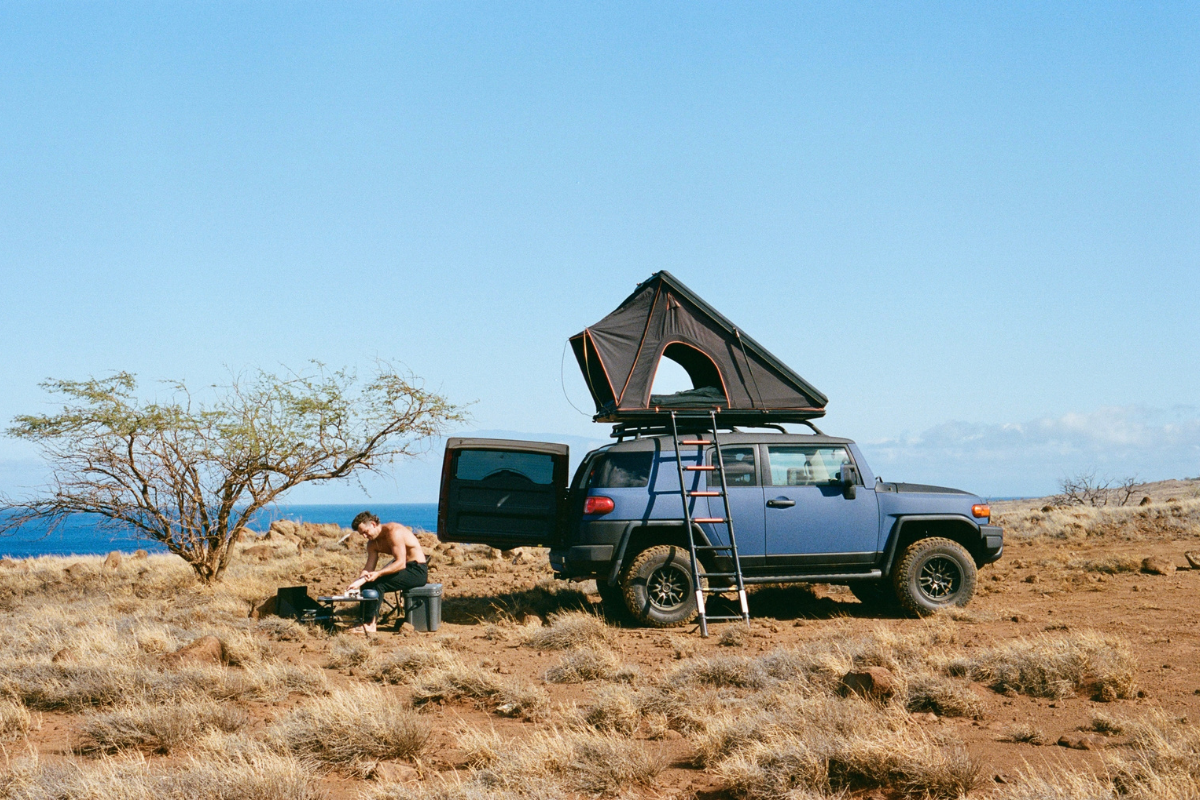
Key Takeaways Introduction: Why Think Beyond a Standard Kauai Van Rental? Kauai is compact—roughly 33 miles long and 25 miles wide—yet packed with destinations that
Key Takeaways Introduction: Why Choose a Big Island Camper Rental Instead of a Hotel? Imagine waking up above the black sand at Punaluʻu, unzipping your