The Complete Guide to Camping the Big Island of Hawaii by Camper Van
Plan your Big Island camping trip with a 4WD rooftop camper van. Campgrounds, routes, and everything you need to explore Hawaii’s most dramatic island.

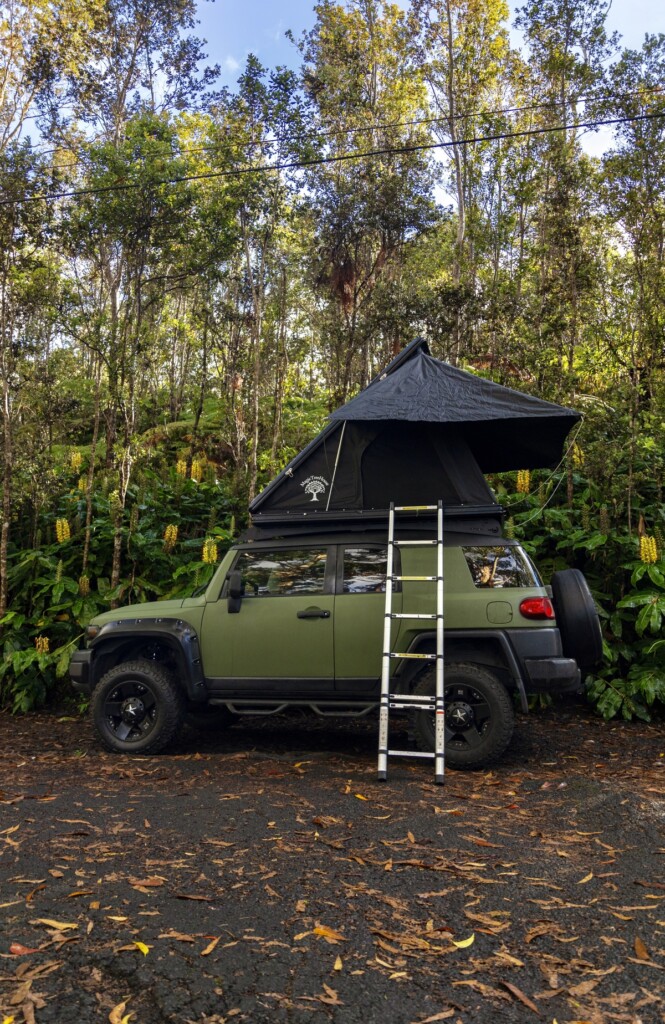
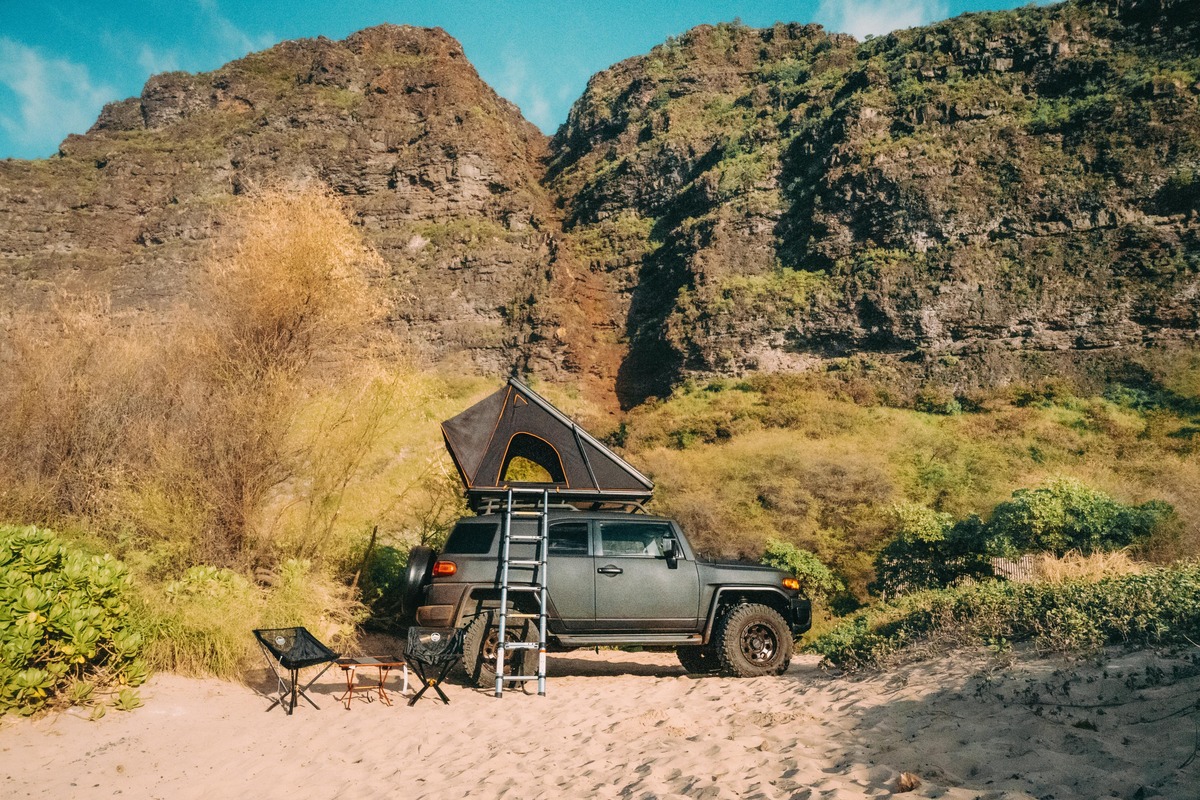
Imagine waking up to the sound of waves crashing against Kauai’s dramatic cliffs, stepping outside your van to watch the sunrise paint the sky orange and pink over volcanic coastline. Or picture yourself parked near Hawai’i Volcanoes National Park, the faint glow of Kīlauea visible in the distance as stars blanket the sky above. This is what camper van travel in Hawaii offers—an island adventure that no resort lobby can replicate.
The difference between a camper van trip and a traditional resort stay comes down to freedom. When you rent a campervan, you control your schedule. Want to catch the sunrise at Waimea Canyon before the crowds? You’re already there. Prefer to linger at a hidden beach until the sunset paints the water gold? No checkout time is rushing you along. You move at your own pace, chasing waterfalls, exploring pristine beaches, and discovering hidden gems that most visitors never see.
Specific experiences become dramatically easier with a camper van setup:
Hawaiian Overlanders vans come equipped for off-grid comfort. Each vehicle includes a bed, kitchen gear, fridge or cooler, shade awning, and the storage space needed for multi-day road trips across volcanic landscapes. The setup means you spend less time coordinating logistics and more time actually experiencing the islands.
Booking a camper van through Hawaiian Overlanders follows a straightforward process designed to get you on the open road quickly.
Step-by-step booking:
Most rentals require a minimum of 3–4 nights, and peak holiday dates (late December, spring break, summer months) sell out early. Planning to visit during these windows? Book 3–6 months in advance to secure your preferred setup.
Requirements to rent:
| Requirement | Details |
| Driver’s license | Valid license from home country/state (English text or IDP) |
| Minimum age | Typically 25+ with good driving record |
| Insurance | Proof of coverage or rental insurance options available |
Pick-up logistics are streamlined. On Kauai, Hawaiian Overlanders arranges meetings near Līhuʻe Airport (LIH). On the Big Island, pick-up points are available near Kona or Hilo airports. From these locations, main camping zones are typically within 1–2 hours of driving.
At pick-up, staff walk you through every vehicle feature—bed setup, kitchen operation, power system, and rooftop tent deployment if applicable. You’ll receive printed or digital maps highlighting recommended campgrounds and legal overnight spots along your planned route.
Drop-off expectations are equally simple: return the vehicle with the agreed fuel level, complete basic cleaning, and arrive within the specified time window. Hawaiian Overlanders focuses on hassle-free handoffs so your trip ends as smoothly as it began.
Hawaii camper van rates run higher than mainland destinations. Island logistics, shipping costs for vehicles, and strong demand all contribute. That said, when you calculate that your rental combines transport and accommodation, the math often works in your favor compared to booking separate hotel rooms and car rentals.
Typical nightly price ranges:
| Vehicle Type | Nightly Rate | Best For |
| Compact camper van | $170–$220 | Couples, solo travelers |
| Premium 4×4 + rooftop tent | $200–$260+ | Adventure seekers, rougher terrain |
Exact prices vary by season and availability. These ranges reflect Hawaiian Overlanders-style setups rather than basic car camping conversions.
What’s typically included:
Common extra costs to budget:
Seasonality impact:
Peak season (late December through early January, March spring break, June–August) brings higher rates and limited availability. Shoulder months like May, September, or early November offer slightly lower rates—sometimes 20–30% below peak pricing for weekly rentals.
Sample 7-night budget for 2 travelers:
| Expense | Estimated Cost |
| Van rental (7 nights @ $190/night) | $1,330 |
| Fuel | $150–$200 |
| Campground fees (7 nights) | $100–$175 |
| Groceries and food | $250–$400 |
| Permits and park entry | $50–$75 |
| Total | $1,880–$2,180 |
Compare that to a week at a beachfront resort exceeding $400 nightly plus separate car rental, and the cost savings become clear. Book several months ahead through Hawaiian Overlanders to lock in your preferred vehicle and best available rates.
Hawaiian Overlanders focuses on Kauai and the Big Island for good reason. These islands offer the best combination of dramatic scenery, accessible legal camping options, and road-trip-style exploration that campervan rentals are built for.
One important note: inter-island ferry options for vehicles are extremely limited in Hawaii. Plan to choose one island per camper van trip rather than attempting to hop between islands with your rental.
The routes below provide realistic day counts and key highlights. For a tailored route plan that combines your priorities—whether that’s hiking, snorkeling, or cultural sites—contact Hawaiian Overlanders directly.
Kauai earns its nickname as the Garden Isle. Lush, rugged, and relatively compact, the island rewards slow exploration. You can circumnavigate most of Kauai’s accessible roads in a single long day, but that misses the point entirely.
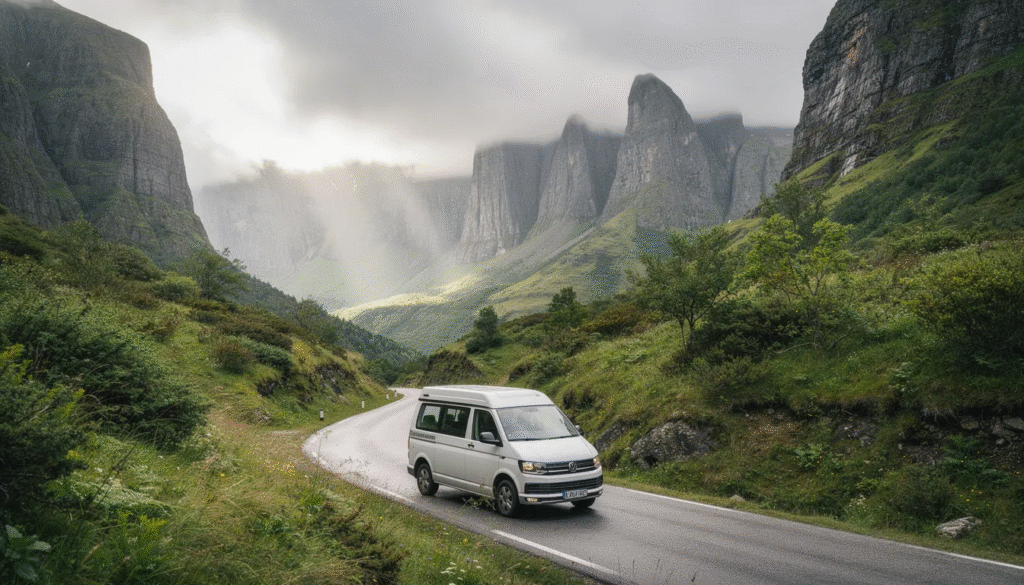
Suggested loop from Līhuʻe:
Must-visit spots along the route:
Practical driving notes:
The North Shore features narrow one-lane bridges requiring patience and courtesy. Overnight parking near Hanalei is limited and regulated. The road past Polihale State Park is a dead-end, so plan accordingly.
Hawaiian Overlanders can recommend specific campground options and legal overnight spots along this route, including county, state, and private campgrounds that welcome camper vans.
Ideal pacing:
The Big Island lives up to its name. Hawaii’s largest island contains climate zones ranging from tropical rainforests to barren lava fields, from pristine beaches to active volcanoes. Driving distances are longer here, but roads are generally good.
Suggested clockwise loop:
Starting from Kona or Hilo, connect these key areas:
Key stops to plan for:
| Location | Highlights |
| Punalu’u Black Sand Beach | Sea turtles, dramatic volcanic sand |
| Chain of Craters Road | Dramatic descent through lava fields |
| Mauna Kea visitor area | World-class stargazing at elevation |
| Waikoloa beaches | White sand, snorkeling, marine life |
Distances on the Big Island are significant. Break driving into 2–3 hour legs, especially when combining hiking and sightseeing. Don’t try to do too much in a single day.
Hawaiian Overlanders vehicles handle Big Island terrain well, but travelers must stick to paved or approved roads and observe any restricted areas—particularly around active volcanic zones.
Recommended minimum:
Not everyone can commit a full week. Here are abbreviated options:
Kauai (2–3 nights): Focus on the North Shore with base time around Hanalei, adding a Waimea Canyon day excursion. Trade-off: you’ll miss the slower exploration that makes camper van travel special.
Big Island (2–3 nights): A Kona-based beach and snorkel weekend works well, or a focused combination of Hawai’i Volcanoes National Park plus Punalu’u.
When planning short trips, factor in flight arrival and departure times. Avoid scheduling long drives on unfamiliar roads after dark on your first night.
Here’s the reality: wild camping and sleeping in vehicles outside designated camping areas is generally prohibited in Hawaii. Violations can result in fines or towing. Plan your nights in advance.
Types of camping available to camper van travelers:
| Category | Examples | Notes |
| State parks | Kokee, select beach parks | Require advance permits |
| County parks | Various beach parks | Permit system varies by county |
| Private campgrounds | Agricultural properties, eco-camps | Often more amenities, higher cost |
Example camping areas:
On Kauai, look into county beach parks on the east and north shores, plus camp spots near Waimea and Kokee. On the Big Island, camping options exist near Volcano, along the Kona coast, and at select beach parks.
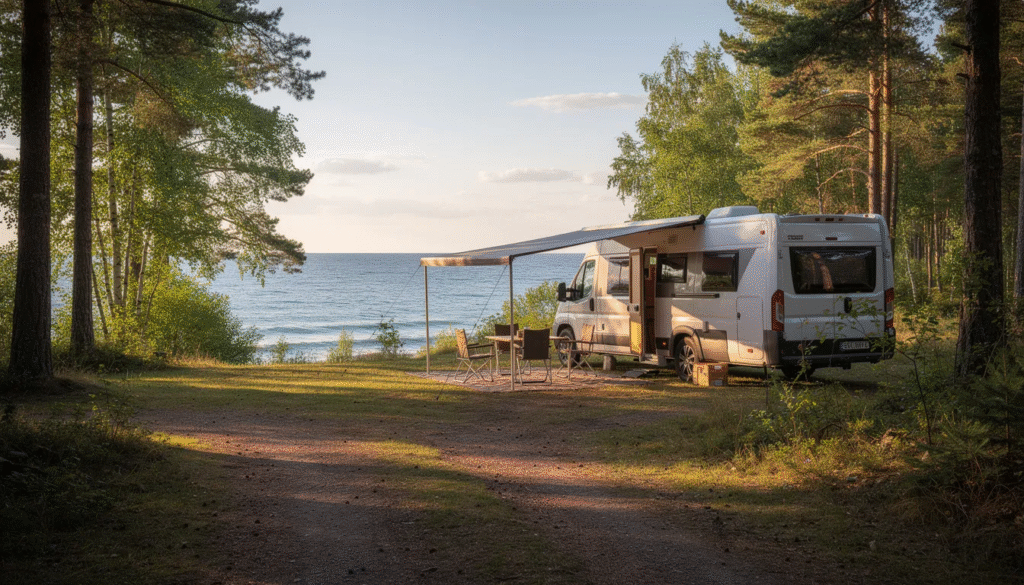
The permit system:
Many county and state parks require advance online booking through Hawaii’s DLNR GoCampHawaii portal. You’ll need specific arrival dates and printed or digital proof of permits. Some sites book up 30 days in advance—particularly weekends and holidays.
Most Hawaii campgrounds are tent-oriented without RV hookups. That’s actually fine for Hawaiian Overlanders setups, which are designed for self-contained, off-grid camping with solar power and battery systems.
What to avoid:
Beyond legal concerns, respecting local communities matters. Hawaiian Overlanders provides up-to-date camping suggestions and can direct you toward locations that align with current regulations at the time of your trip.
Hawaiian Overlanders includes most camping essentials, so you can pack lighter than you might expect. Focus on clothing and personal items rather than gear.
Clothing recommendations:
Footwear:
Personal essentials:
Hawaiian Overlanders typically supplies a basic kitchen kit with pots, pans, utensils, and stove. Plan your grocery stops and bring any personal snacks you prefer.
Optional extras to consider:
Pro tip: Pack in soft duffel bags rather than hard suitcases. Duffels compress and store much more easily inside the van, leaving you more living space.
Respect for Hawaiian lands, culture, and communities isn’t optional—it’s fundamental to being a responsible visitor.
Basic safety rules:
Environmental guidelines:
Cultural respect:
Weather and ocean safety:
Hawaii’s weather changes rapidly. Rain on one side of an island often means sun on the other. Check surf and tide forecasts before swimming at any beach, especially remote ones with strong currents.
At higher elevations and in rainforest areas, conditions can shift from clear to foggy within minutes. Prepare for both.
Hawaiian Overlanders provides local orientation and safety tips at pickup, including guidance on areas to avoid during certain weather conditions or after dark.
Planning 60–120 days in advance gives you the best shot at preferred vehicles and campsites, especially during busy seasons.
Flight and pickup coordination:
Align flight times with camper van pickup and drop-off windows. Build in at least a few hours of buffer for potential delays. Arriving at 2 PM and trying to pick up a van, buy groceries, and reach a campsite before dark creates unnecessary stress.
Route planning sequence:
Leave room for discovery:
Don’t over-schedule. Some of the best camper van moments happen spontaneously—a waterfall you spot from the road, a local food truck with the best poke you’ve ever tasted, a hidden beach a fellow traveler recommends.
Hawaiian Overlanders can sanity-check your itinerary to keep drive times reasonable and ensure each night has a legal, realistic camping option. Their local knowledge helps you avoid the common mistakes first-time Hawaii camper van visitors make.
A standard, valid driver’s license from your home country or U.S. state works for Hawaiian Overlanders vehicles, as long as the text is in English or you carry an international driving permit. No commercial driver’s license (CDL) is required—these are camper vans and 4×4 vehicles, not large buses or heavy RVs. Most rentals require a minimum age of 25 and a clean driving record. Check specific terms during booking to confirm requirements.
Bringing surfboards, stand-up paddleboards, or dive gear is common and expected. Confirm size limits and storage options with Hawaiian Overlanders before your trip. Staff can recommend soft roof rack setups or interior storage strategies that protect both your gear and the vehicle. Hawaiian Overlanders may also offer certain gear rentals or point you toward reliable local shops near pick-up locations.
Major carriers provide good coverage around Līhuʻe, Kapaʻa, Kona, Hilo, and most coastal areas. Service drops significantly in remote valleys, parts of the Napali region, and along Chain of Craters Road in the national park. Download offline maps before departure and don’t rely on streaming for navigation. Some campgrounds offer limited public Wi‑Fi, but embrace the opportunity to disconnect—that’s part of what makes this style of travel special.
Hawaii’s weather is highly localized. Rain pouring on one side of the island often means clear skies on the other—and your camper van lets you simply drive to better conditions. Monitor local forecasts, avoid flooded roads or closed parks, and keep a backup list of activities that work in poor weather (museums, coffee farm tours, historic sites like Iolani Palace on Oahu if you’re connecting through Honolulu). Hawaiian Overlanders can provide real-time guidance if conditions affect your planned camping areas.
Open fires are often restricted or banned in beach parks and forested areas, especially during dry periods. Using the portable camp stove included with your van is typically allowed in designated camping areas and picnic zones, provided you observe basic fire safety. Confirm current regulations at each campground and avoid cooking on roadside pullouts or in windy conditions where embers could spread. When in doubt, ask park rangers or check posted signage.
Plan your Big Island camping trip with a 4WD rooftop camper van. Campgrounds, routes, and everything you need to explore Hawaii’s most dramatic island.
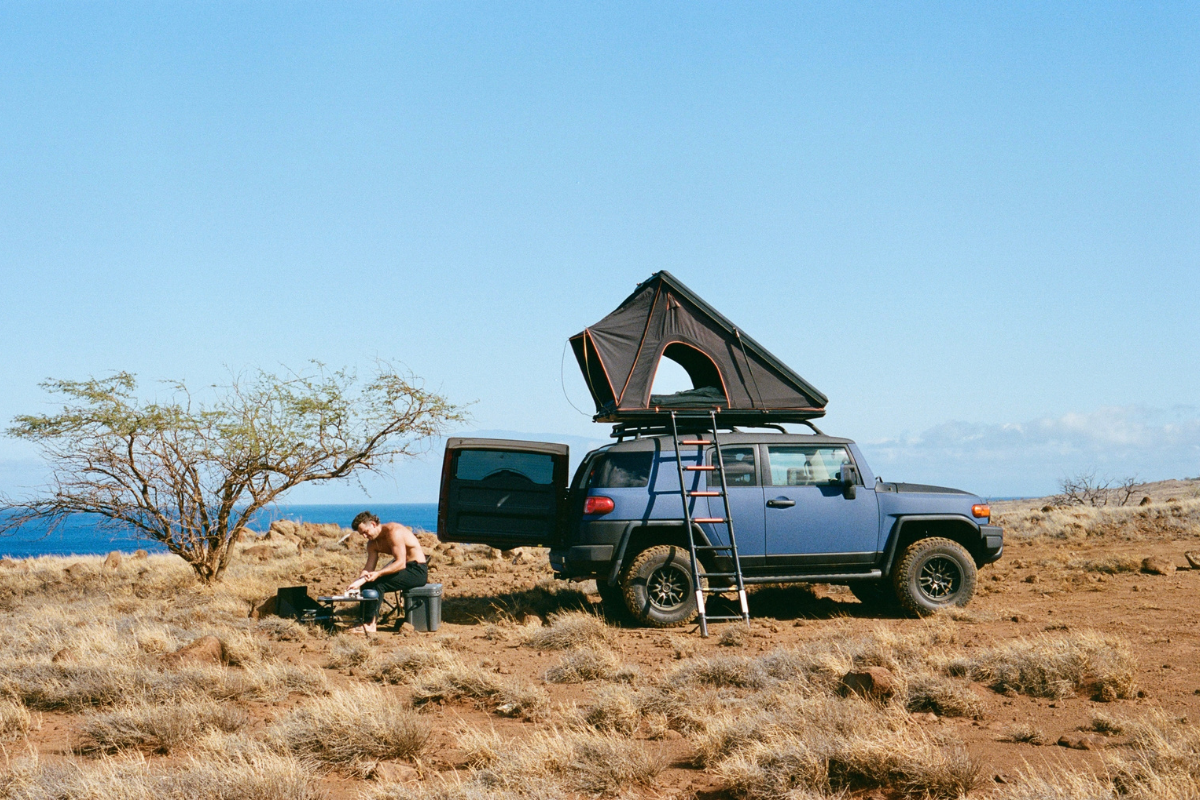
Key Takeaways Introduction: Why Think Beyond a Standard Kauai Van Rental? Kauai is compact—roughly 33 miles long and 25 miles wide—yet packed with destinations that
Key Takeaways Introduction: Why Choose a Big Island Camper Rental Instead of a Hotel? Imagine waking up above the black sand at Punaluʻu, unzipping your