The Complete Guide to Camping the Big Island of Hawaii by Camper Van
Plan your Big Island camping trip with a 4WD rooftop camper van. Campgrounds, routes, and everything you need to explore Hawaii’s most dramatic island.

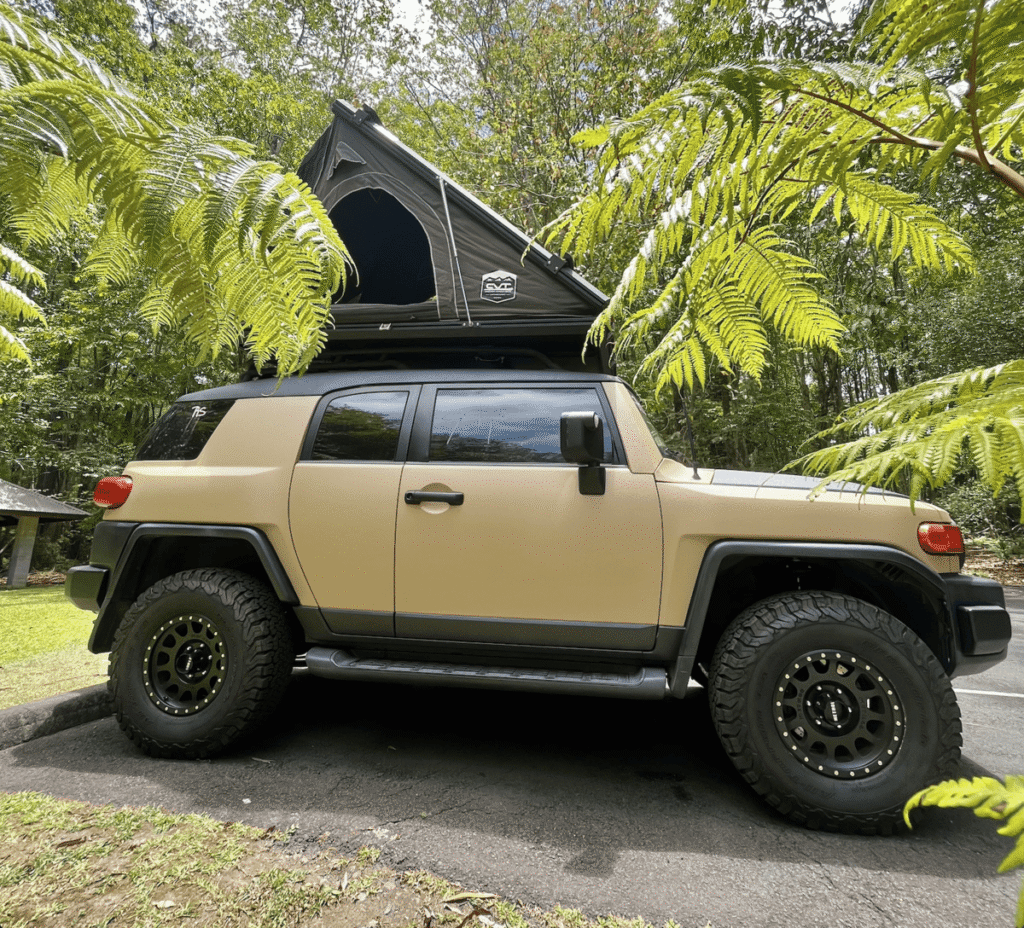
Picture waking up to the sound of waves crashing against black sand beaches, stepping outside your van to brew coffee while watching the sunrise paint volcanic landscapes in shades of gold and pink. Now imagine doing this somewhere different every single night of your trip. That’s the freedom a campervan hawaii rental offers—a stark contrast to waking up in the same resort hallway, fighting for pool chairs, and eating the same breakfast buffet for a week straight.
For first-time visitors to Hawaii, a campervan opens doors that traditional accommodation simply cannot. You gain the flexibility to follow good weather across the island, chase waterfalls when skies clear after morning showers, and discover hidden gems that tour buses never reach. Instead of checking in and out of multiple hotels, you bring your accommodation with you, moving at your own pace through lush landscapes and along pristine beaches.
A campervan on Kauai or Big Island lets you combine iconic highlights—Waimea Canyon’s rust-red cliffs, Hawai’i Volcanoes National Park’s steaming craters, the turquoise waters of Hāpuna Beach—with quieter, less-touristed areas where locals actually hang out. You can spend your morning snorkeling with marine life at a popular beach, then drive thirty minutes to find a secluded cove where you’re the only one there.
First-timers often feel overwhelmed by Hawaii’s multi-island geography, wondering if they need to hop between Oahu, Maui, the Big Island, and Kauai to “see it all.” The truth? You’ll have a richer experience by focusing on one island and exploring it thoroughly. A simple base-plan—one loop around the Big Island or a north-south coast exploration on Kauai—delivers more authentic adventure than rushing through Waikiki Beach crowds and Honolulu traffic just to check boxes.
If you’ve never done “van life” before, don’t worry. Hawaii’s compact islands, well-maintained roads, and established campgrounds make this the perfect place to dive deep into campervan travel without extreme wilderness survival skills.
Hawaiian Overlanders is a locally owned campervan and rooftop camper rental company operating on two of Hawaii’s most spectacular islands: Kauai and the Big Island. Founded with the mission of helping visitors experience authentic island adventure, the company specializes in outfitting first-time campervan travelers with everything they need for a successful trip.
The company serves two primary locations:
Hawaiian Overlanders offers adventure-ready campervans and capable vehicles with rooftop tents, all set up for camping on paved or maintained roads. These aren’t oversized RVs that struggle on narrow coastal highways—they’re compact, maneuverable vehicles designed specifically for Hawaii’s unique road conditions and camping environments.
Every rental includes detailed digital and printed island guides created by the Hawaiian Overlanders team. These aren’t generic tourist pamphlets—they’re insider recommendations covering campgrounds, scenic drives, hikes, beaches, and local food stops that only residents would know about.
Key benefits of renting with Hawaiian Overlanders:
Renting a campervan for your first Hawaii adventure doesn’t have to be complicated. Here’s exactly what to expect from browsing to drop-off when you book with Hawaiian Overlanders.
Step 1: Browse and Compare
Visit hawaiianoverlanders.com to check availability and view van models. Compare features like bed size, fridge versus cooler setups, and rooftop tent capacity. Take your time understanding what each vehicle offers—this is where you’ll sleep, cook, and store all your gear for the week.
Step 2: Select Your Adventure
Choose your island (Kauai or Big Island), travel dates, and number of travelers. Most vans are ideal for 2 adults, though some setups work for small families. Consider how much driving you want to do and what attractions matter most when making your island choice.
Step 3: Understand Pricing
Review the nightly rate, minimum night requirements, insurance options, and mileage expectations. Hawaiian Overlanders’ rooftop campers start at $179 per day, fully equipped with tents and additional gear. Longer rentals often come with better rates—weekly averages drop to around $107/night, and bookings of 15+ nights unlock optimal base pricing.
Step 4: Book and Confirm
Complete your booking online through the Hawaiian Overlanders site, pay your deposit, and receive confirmation with pickup details. You’ll also get pre-trip planning resources including campground recommendations and permit information.
Step 5: Arrive and Pick Up
On arrival day, head to the pickup location near LIH or KOA. The Hawaiian Overlanders team will walk you through every vehicle feature, conduct a safety briefing, and review exactly where you can and cannot drive or camp. Final paperwork gets handled here, and you’ll leave with confidence in operating your new home on wheels.
Step 6: During Your Trip
Hawaiian Overlanders provides support throughout your adventure. If you have questions about a tricky campground or need recommendations, reach out to the team. Your responsibilities are simple: keep the van fueled, handle basic cleaning, and care for the gear as if it were your own.
Step 7: Return and Depart
On your final day, return the vehicle at the agreed time. Plan for a brief inspection, and leave yourself plenty of buffer to reach the airport for your flight. Most travelers find it helpful to camp near the return location their last night to avoid morning stress.
Hawaiian Overlanders focuses on compact, efficient vehicles specifically tailored for Hawaii’s narrow roads, small parking areas, and established campground setups. These aren’t massive class B motorhomes or RVs that eat fuel and can’t navigate one-lane bridges—they’re right-sized for island adventure.
Typical campervan setups feature a comfortable bed platform with a real mattress, storage compartments underneath for all your gear, a sliding side door for easy beach access, and interior lighting powered by 12-volt DC systems for relaxed evenings reading or planning the next day’s route. The compact design means you can park anywhere a normal vehicle fits.
For visitors wanting extra capability, rooftop camper options mount weather-resistant tents on sturdy vehicles. These provide elevated sleeping with panoramic views, better ventilation against Hawaii’s humidity, and ground-level cargo space below for coolers, chairs, and adventure gear. Rooftop tents deploy in under five minutes, making camp setup effortless even after a long day of hiking.
Standard inclusions with every Hawaiian Overlanders rental:
Optional extras to consider:
Every vehicle is prepared specifically for Hawaii’s climate. Expect good ventilation through windows and mesh panels, sunshades for parking during hot afternoons, and advice on keeping your sleeping space cool overnight when temperatures hover around 75-85°F.
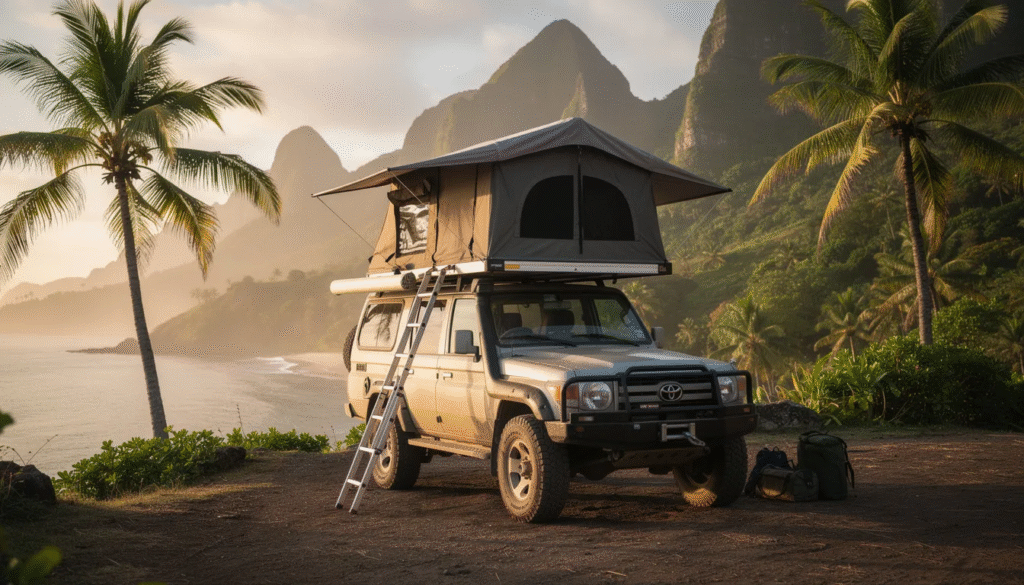
First-time visitors get the best experience by focusing their campervan adventure on either Kauai or the Big Island—not both—unless you have two or more weeks to spare. Each island offers distinct landscapes, vibes, and logistics worth understanding before you book.
Kauai: The Garden Isle
Kauai delivers dramatic scenery in a compact package. The island’s 555 square miles mean shorter drives between destinations, leaving more time for hiking, snorkeling, and beach rest. Key themes include:
Kauai suits travelers who want a relaxed, garden-island feel with plenty of day hikes and shorter drives. The pace here encourages lingering rather than rushing.
Big Island: The Island of Contrasts
The Big Island lives up to its name—it’s larger than all other Hawaiian islands combined. This size creates incredible diversity, from active volcanoes to snow-capped peaks. Highlights include:
The Big Island rewards visitors interested in long scenic drives, geology, and mixing dry coastlines with cool upland forests and lush rainforests.
Quick logistics comparison:
These example outlines provide a framework for planning your Hawaiian Overlanders adventure. Adjust based on weather, energy levels, and whatever hidden gems catch your eye along the way.
Day 1: Arrival and West Side Land at Līhuʻe Airport, pick up your campervan from Hawaiian Overlanders, stock up on groceries, and drive to the west side. Camp near Kōkeʻe State Park for access to Waimea Canyon viewpoints at sunrise the next morning.
Days 2-3: Canyon Country and Beaches Explore Waimea Canyon lookouts and hike the Cliff Trail for Nāpali Coast views. Descend to the west side beaches for afternoon swimming and sunset watching. Consider camping at Salt Pond Beach Park (permits required, approximately $20/night).
Days 4-5: North Shore Adventure Drive to the north shore, camping near the Hanalei/Princeville area. Explore the iconic beaches, check out Kīlauea Lighthouse, and save a day for hiking if conditions allow. This area receives more rainfall, so embrace the lush landscapes and plan for flexible outdoor time.
Day 6: Flex Day Weather contingency day—revisit a favorite spot, try a new beach, or simply rest and enjoy the slow pace of island life. This buffer prevents feeling rushed.
Day 7: Return to Līhuʻe Camp your final night near the airport for easy morning return. Drop off the van with time to spare for your flight home.
Must-see stops: Polihale sunset (when accessible), poke from local fish markets, shave ice in Hanalei, snorkeling at Tunnels Beach.
Days 1-2: Kona Coffee Country Pick up your campervan near Kona airport and explore the sunny west coast. Visit a coffee farm, swim at pristine beaches like Kua Bay, and camp at a county beach park along the Kohala coast. Watch sunset from the open road overlooking the ocean.
Days 3-4: Hawai’i Volcanoes National Park Drive to Volcano Village and camp 1-2 nights near the park. Hike Kīlauea Iki Trail through a steaming crater, drive Chain of Craters Road to see volcanic landscapes meeting the coast, and explore the Thurston Lava Tube. Night visits offer glowing crater views.
Days 5-6: Hilo and Waterfalls Head to the Hilo side for a different island vibe. Visit Akaka Falls and Rainbow Falls, explore downtown Hilo’s local shops, and camp at a nearby beach park. This windward coast shows you the island’s lush rainforests and frequent rainbow appearances.
Days 7-8: Hamakua Coast to Waimea Drive the scenic Hamakua Coast, stopping at botanical gardens and hidden waterfalls. Continue to Waimea’s upcountry paniolo (cowboy) country before looping back toward the Kohala coast.
Days 9-10: Final Exploration and Return Spend your last full day at a favorite beach or exploring Puʻuhonua o Hōnaunau National Historical Park. Camp your final night near Kona for easy van return and airport access.
Must-see stops: Punalu’u black sand beaches, South Point for the southernmost point in the US, local food trucks in Hilo, sunrise from a high-elevation viewpoint.
Hawaii has strict rules about where overnight vehicle camping is allowed. Wild camping, roadside pull-offs, and sleeping in parking lots without explicit permission are not permitted and risk fines or towing. Hawaiian Overlanders provides updated guidance and recommended spots with every rental.
County Beach Parks Kauai County operates several campgrounds where campervan visitors can stay overnight with proper permits. These include parks on the south and west shores with beach access and basic facilities including restrooms. Advance permits are required, and some days (typically certain Wednesdays and Thursdays) may be closed for maintenance.
State Parks Kōkeʻe State Park provides access to Waimea Canyon and Nāpali Coast viewpoints from higher elevation campsites. These spots offer cooler temperatures and escape from coastal humidity. State park permits are handled separately from county permits.
Private Campgrounds A few private options and farm stays exist, offering alternatives when public sites are booked.
Near Hawai’i Volcanoes National Park Nāmakanipaio and other camping areas near the park provide convenient bases for exploring Kīlauea and surrounding trails. These fill up during peak seasons.
County Beach Parks Beach parks along both the Kona and Hilo sides offer oceanfront camping with varying levels of development. Some feature full restrooms and showers; others are more primitive.
Private Campgrounds and Farm Stays The Big Island has more private camping options than smaller islands, including permitted farm stays that offer unique cultural experiences for around $30-60/night.
Important reminders:
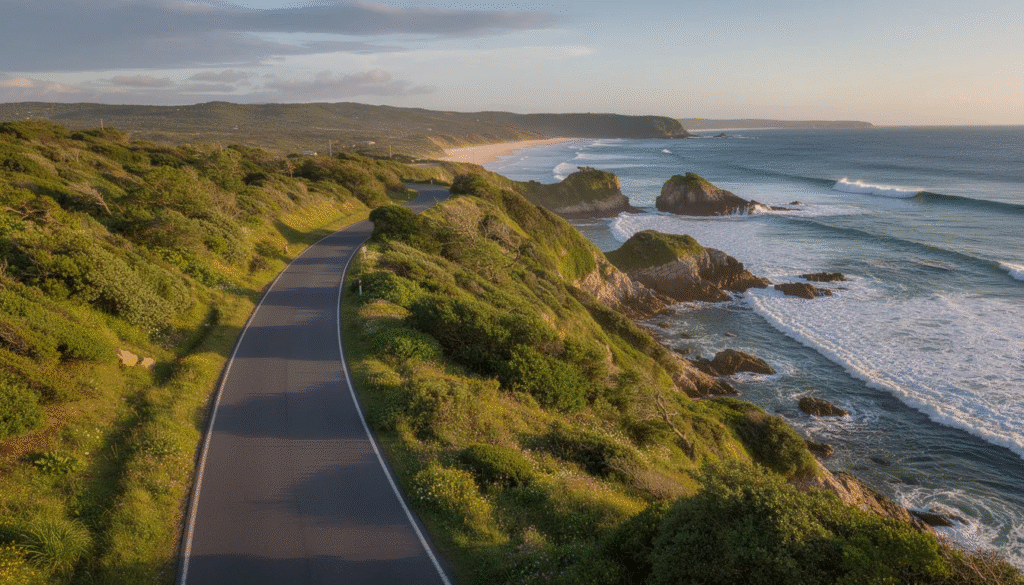
Hawaii’s roads and microclimates differ significantly from mainland driving conditions. Arriving prepared makes the difference between a stressful trip and an unforgettable adventure.
Practical Driving Tips
Expect narrow roads, especially on Kauai’s north shore where one-lane bridges require alternating traffic flow. Local courtesy rules apply—let approaching cars clear the bridge before proceeding. Many local drivers move at a relaxed pace, and tailgating is considered rude. When you stop to enjoy a view, pull completely off the road rather than blocking traffic.
The Big Island has better highway infrastructure overall, but some coastal and upland roads still require attention. Always stay on paved or well-maintained roads approved by Hawaiian Overlanders—this protects your safety and maintains insurance coverage.
Weather Patterns to Expect
Trade wind showers are normal, especially on windward (east-facing) coasts. These brief rains often clear within minutes. The dry leeward coasts—west Kauai and the Kona side of the Big Island—see significantly less rainfall and more consistent sunshine.
Higher elevations like Kōkeʻe on Kauai or Volcano Village on the Big Island bring cooler temperatures, sometimes dropping into the 50s°F at night. Pack layers for these areas.
Tropical downpours can make some park roads and parking areas muddy or slippery. Never attempt to cross flooded road sections—turn around instead.
Ocean Safety
Hawaii’s waters demand respect. Strong currents exist even at calm-looking beaches. High surf seasons hit north shores particularly hard from November through April. Always read posted signs, check daily surf reports, and never turn your back on waves at rocky shorelines. When in doubt, observe where locals swim and follow their lead.
Campervan Security Best Practices
Understanding costs and timing helps you budget accurately and secure the best availability for your campervan hawaii rental adventure.
Typical Campervan Costs
Hawaiian Overlanders’ equipped rooftop campers start at $179 per day. Exact pricing depends on season, vehicle type, and rental length. Longer trips yield better daily rates:
Check current pricing at hawaiianoverlanders.com.
Additional Expenses to Budget
Permit Systems Overview
State parks and county parks operate separate permit systems. Both Kauai and Big Island require advance reservations through online portals, not walk-up camping. Some popular sites sell out 6+ months ahead for holidays and school breaks.
Recommended Booking Timeline
Booking order that works:
Camping and van travel in Hawaii comes with a responsibility to respect the ʻāina (land) and local communities who call these islands home. This isn’t about following rules reluctantly—it’s about being a good guest in someone else’s paradise.
Leave No Trace, Hawaii Style
Pack out everything you bring in, including food scraps and biodegradable items. Use designated restrooms or portable solutions provided with your rental—grey water dumping in natural areas violates environmental regulations and can damage coral reefs and native ecosystems. Keep noise levels low at camp, especially after dark when sound carries across quiet valleys.
Hawaiian Overlanders equips vans with no-discharge valves and provides guidance on proper waste disposal at designated dump stations.
Respect Private Property and Cultural Sites
Avoid trespassing onto private property, even when trails seem to lead that way. Respect clearly marked “kapu” (forbidden) signs without exception. Park only in designated areas, and never camp in residential neighborhoods overnight without explicit permission from property owners.
When visiting heiau (temples), burial sites, and historic landmarks like Iolani Palace on Oahu or ancient fishponds, observe quietly and never climb on or disturb structures. These places hold deep cultural significance.
Support Local Economy
Your trip dollars matter. Buy produce from farmers markets, grab lunch from local food trucks rather than chain restaurants, and shop at locally owned stores along your route. This circulates money within island communities and connects you with authentic Hawaii beyond the tourist bubble.
Hawaiian Overlanders builds this ethos into their service—working with local vendors and recommending community businesses in their island guides.
Hawaiian Overlanders offers a straightforward path for first-time visitors to experience a self-guided Hawaii road trip on Kauai or the Big Island. No previous campervan experience required—just curiosity and a sense of adventure.
Your next step is simple: visit hawaiianoverlanders.com to browse available vehicles, check availability for your travel dates, and start planning your chosen island route. The website walks you through vehicle options, pricing, and what’s included with each rental.
Have questions about which island fits your style? Wondering about ideal trip length or what to pack? The Hawaiian Overlanders team regularly helps first-timers navigate these decisions and will respond to your inquiries with personalized recommendations.
Trade hotel hallways for starry skies. Swap continental breakfast buffets for coffee brewed outside your van at sunrise, listening to birdsong and distant waves. The aloha spirit runs deeper when you’re sleeping under the stars, waking to explore new beaches, and following the open road wherever it leads.
Your Hawaii island adventure starts with that first click.
A valid standard driver’s license from your home country or U.S. state is generally sufficient—no commercial license required for Hawaiian Overlanders vehicles. Most rentals require drivers to be at least 25 years old, though specific age requirements may vary. Check the current terms at hawaiianoverlanders.com before booking. If your license is not in English, an International Driving Permit is recommended to avoid complications.
There is currently no inter-island ferry service for vehicles between Kauai, Oahu, Maui, and the Big Island for tourists. Hawaiian Overlanders rentals are designed to stay on the island where you pick them up—either Kauai or the Big Island—throughout your trip. If you want to visit multiple islands, plan separate trips or add a short hotel-based stay on another island before or after your campervan adventure.
Focus on personal items since Hawaiian Overlanders supplies essentials like bedding and kitchen gear. Pack lightweight clothing, one warm layer for cool nights and higher elevations, reef-safe sunscreen, compact quick-dry towels, and sturdy hiking shoes. Bring any medications, toiletries, electronics, swimwear, and snorkel gear if desired. Keep luggage soft-sided and minimal for easy storage inside the compact vehicle.
Major carriers provide good coverage near towns and along main highways on both Kauai and the Big Island. However, dead zones exist in remote valleys, upland forests, and some coastal stretches. Download offline maps and save important campsite details before venturing into less-connected areas. Some campgrounds or nearby cafes may offer Wi-Fi, but don’t rely on continuous high-speed internet throughout your trip.
Pet policies vary, so check directly with Hawaiian Overlanders regarding whether animals are permitted in specific vehicles. If pets are allowed, expect cleaning expectations, potential additional fees, and rules about keeping animals leashed and away from sensitive wildlife areas. Additionally, confirm that your planned campgrounds allow pets—some state and county parks have restrictions that could affect your itinerary.
Plan your Big Island camping trip with a 4WD rooftop camper van. Campgrounds, routes, and everything you need to explore Hawaii’s most dramatic island.
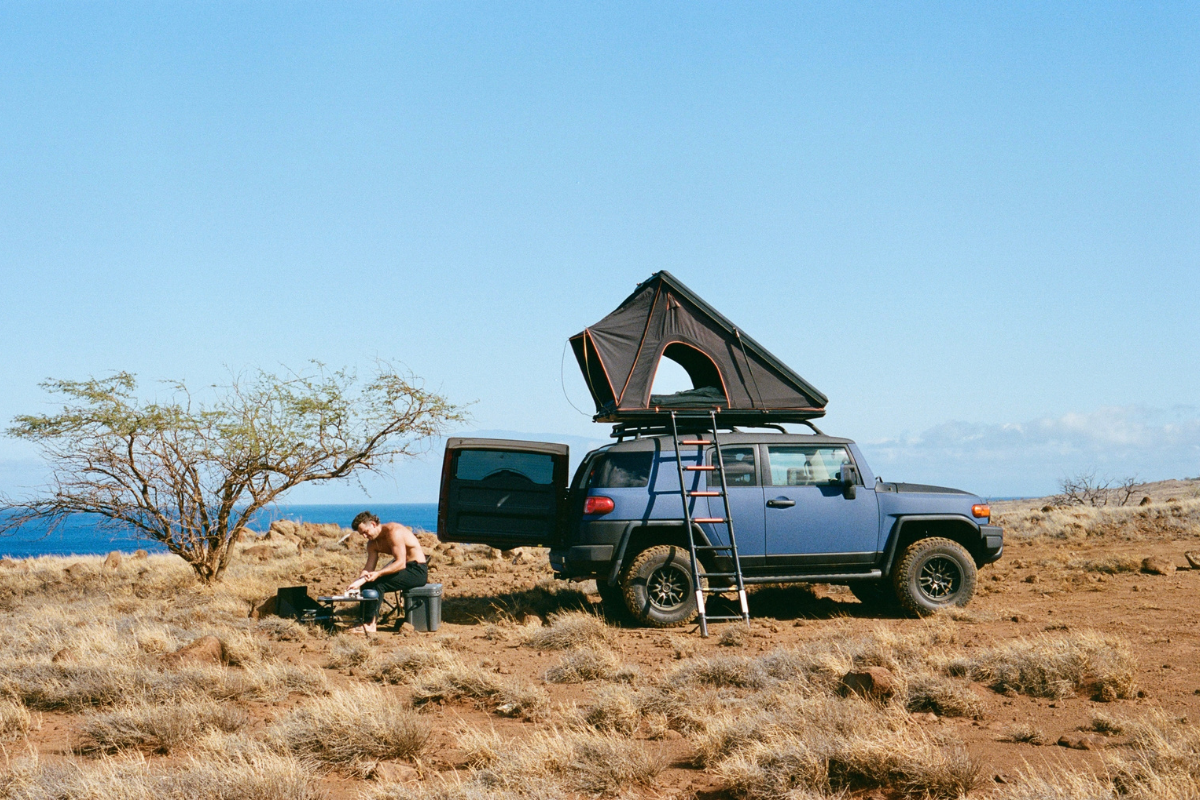
Key Takeaways Introduction: Why Think Beyond a Standard Kauai Van Rental? Kauai is compact—roughly 33 miles long and 25 miles wide—yet packed with destinations that
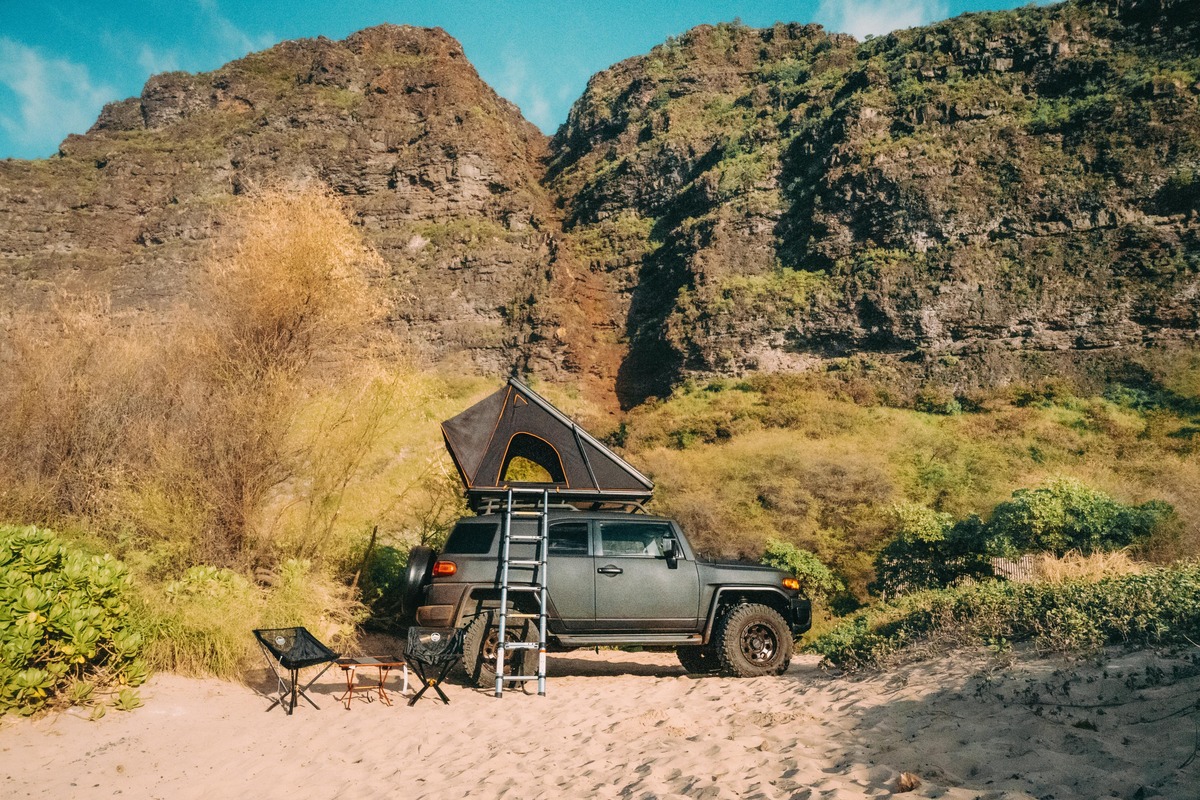
Key Takeaways Introduction: Why Choose a Big Island Camper Rental Instead of a Hotel? Imagine waking up above the black sand at Punaluʻu, unzipping your